
Good enough for a few months isn't good enough
Line markings can look perfect on the day they go down. The real test is how they look a year later, and the year after that.
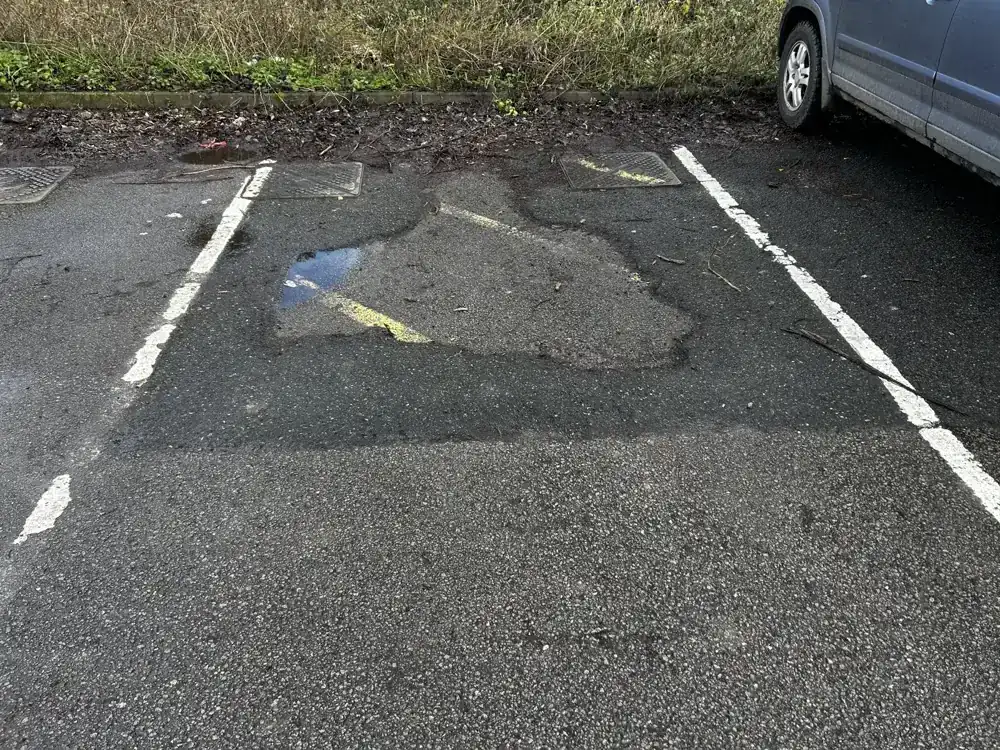
Most markings that fail early fail for the same reason: they were put down on a surface that wasn't ready for them. Dirt, damp, oil or old failing paint sits between the new line and the ground, and when that layer lets go, the line goes with it.
So we don't paint over dirty surfaces to save time. We prepare the surface first, choose the right material for how it's used, and mark it properly once.
Why line markings fail
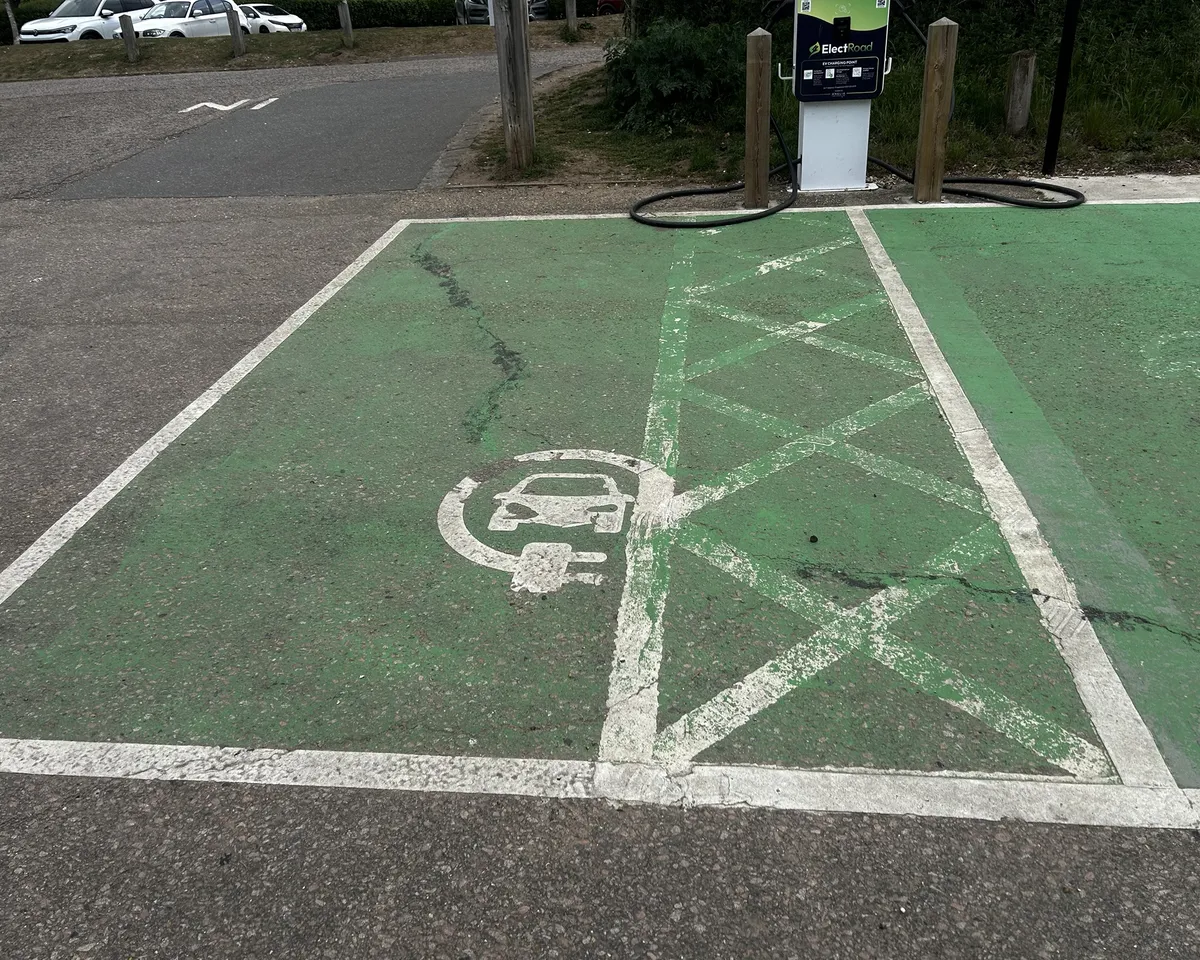
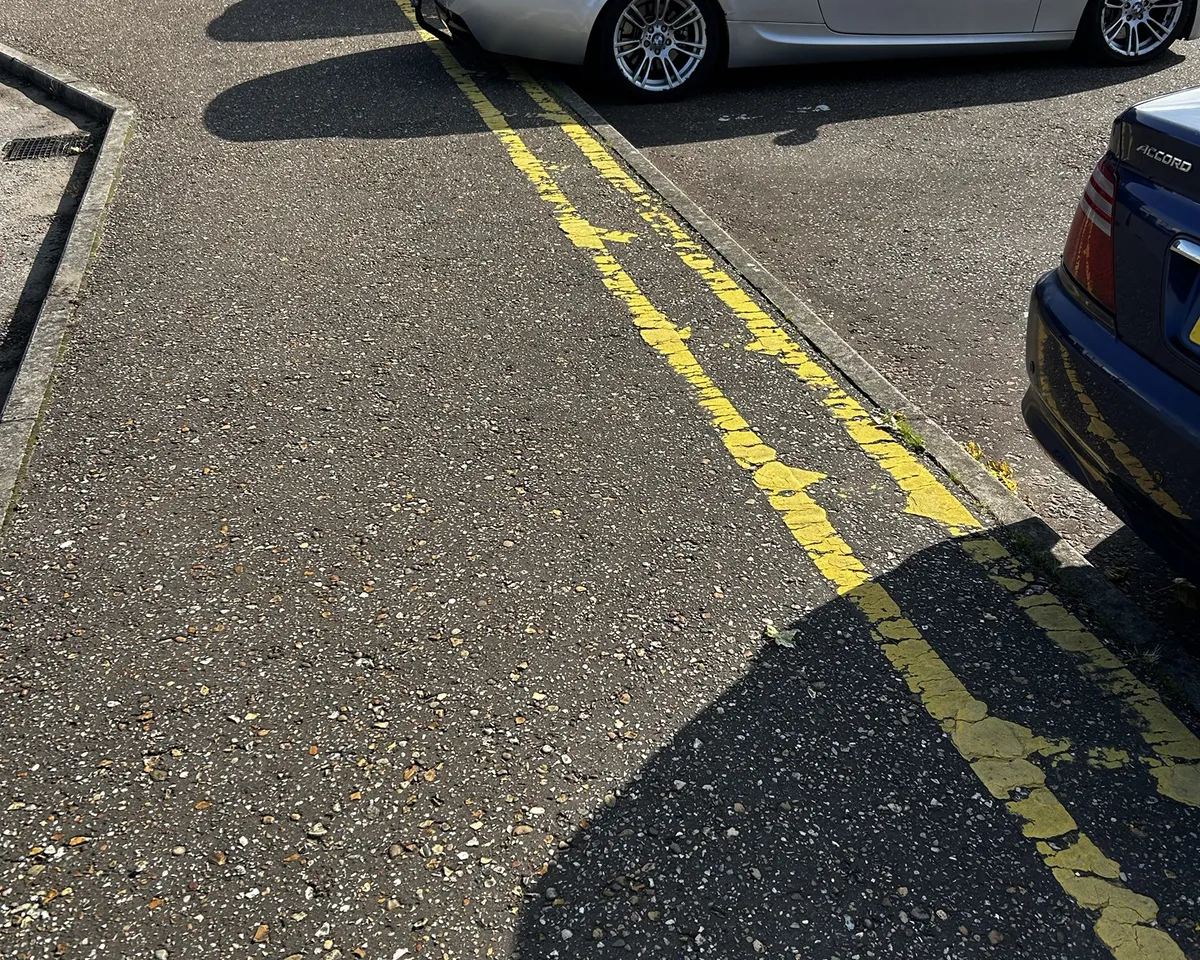
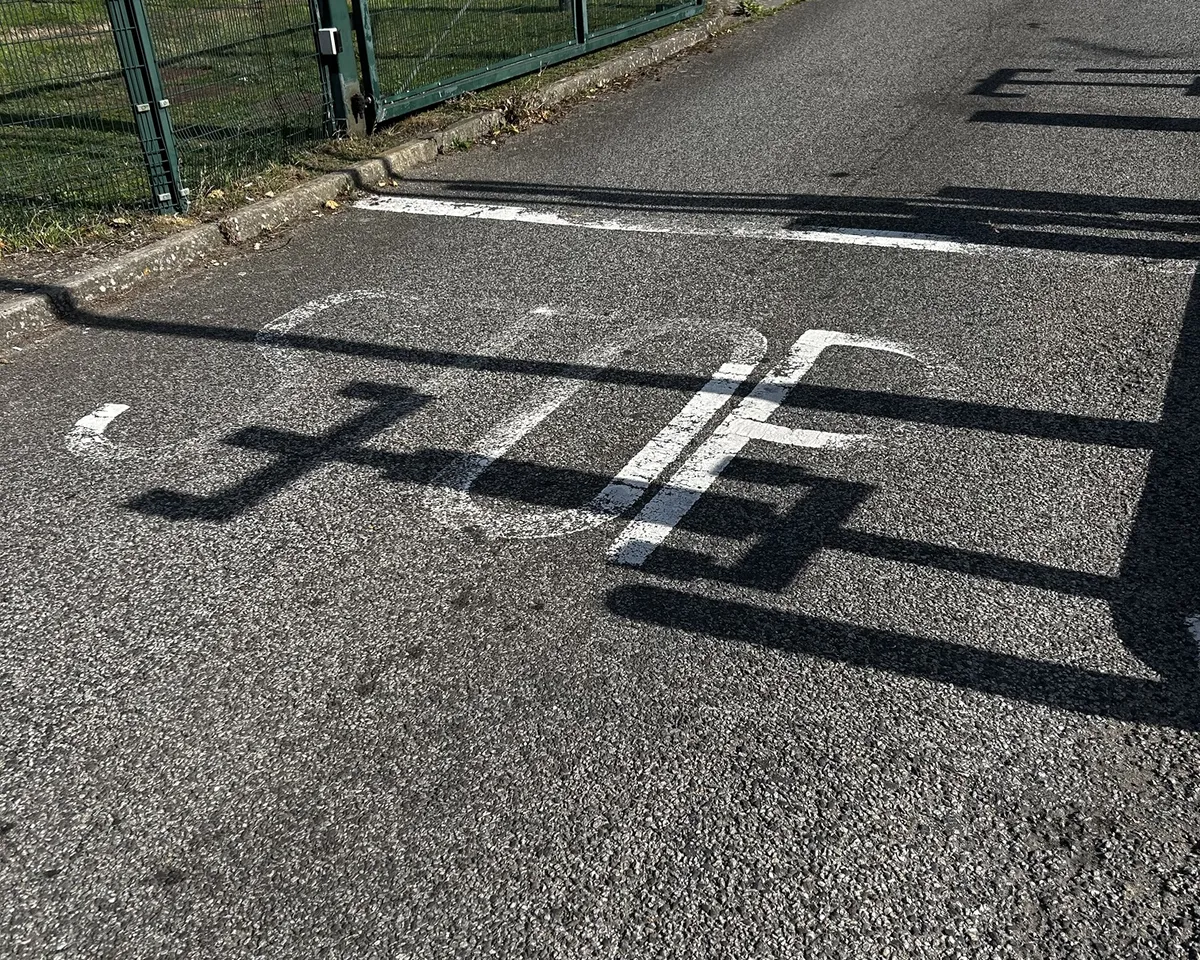
- Painting over old lines: the new paint only bonds to the old layer, so when that peels, the new line peels with it.
- Dirt, dust and grit: even a thin layer stops paint bonding to the surface.
- Damp: paint put down on a wet or damp surface can blister and lift.
- Oil and tyre rubber: common in car parks and warehouses, and they repel paint.
- The wrong material: a paint that suits a quiet staff car park won't survive a busy loading yard or forklift route.
- Rushing the cure: opening an area to traffic too soon damages markings before they've had a chance to harden.
Preparation comes first
Every site is different, and not every job needs the same amount of preparation. What doesn't change is that we always do as much as the site allows.
- We look properly first: we check the surface, the old markings and how the area is used before we price.
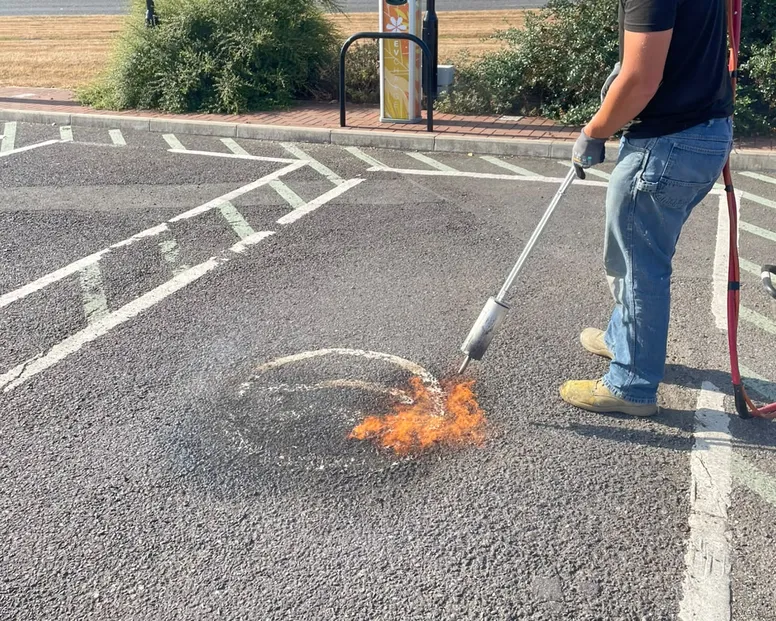
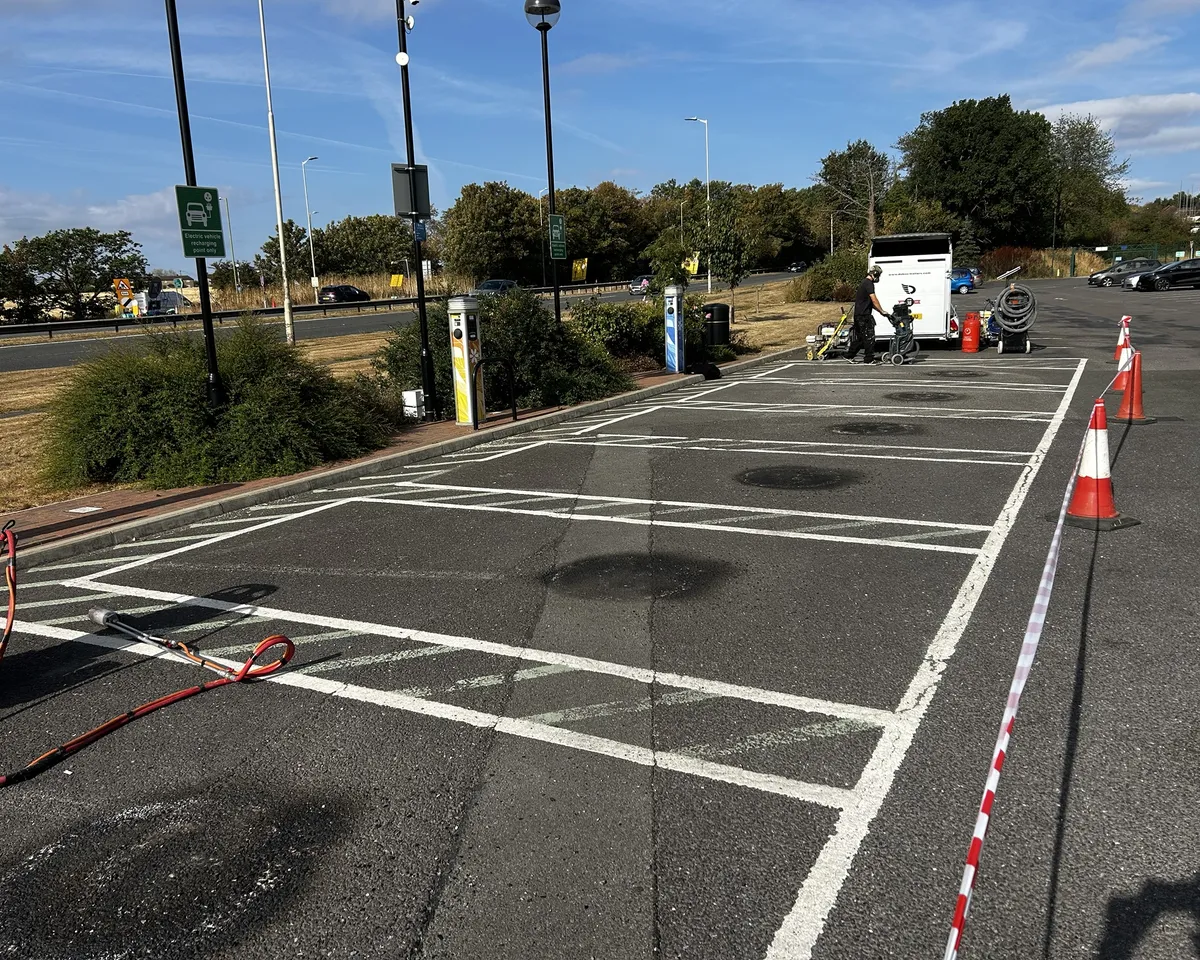
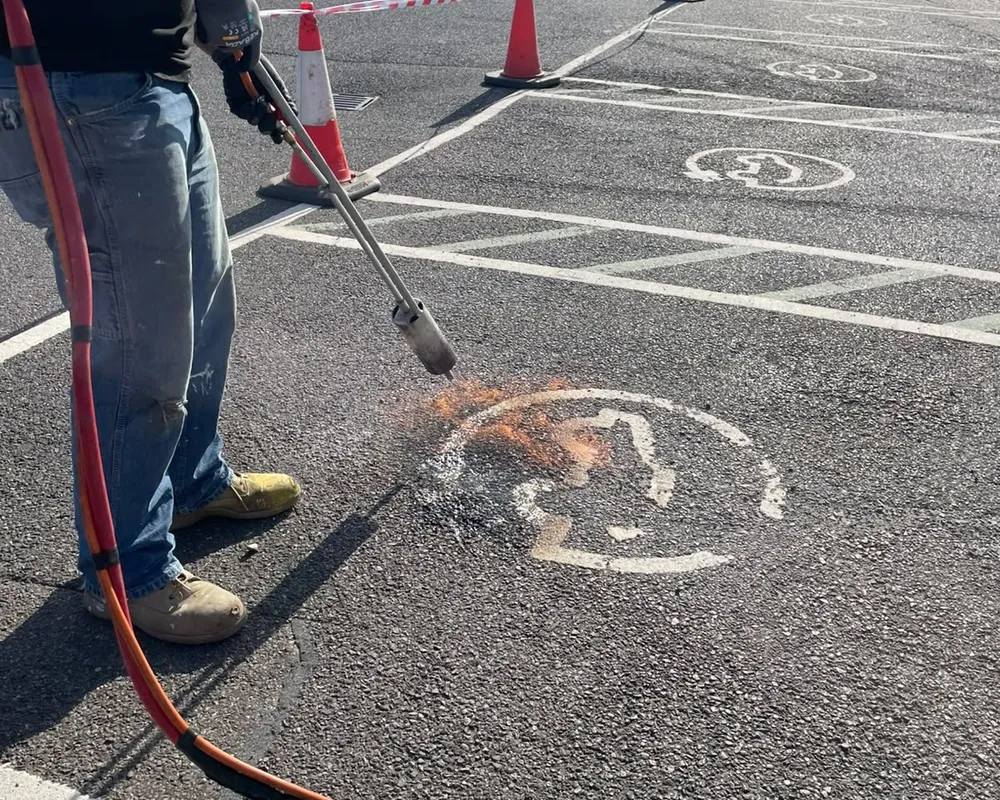
- We remove what's failing: old, flaking markings and failed coatings come off rather than being painted over.
- We give the new lines a key: grinding opens up the surface so the new marking bonds to it, not to a layer of dirt.
- We clean and extract the dust: so nothing sits between the marking and the surface.
- We check conditions: we don't mark onto a damp surface just to keep to a schedule.
The right material for the surface
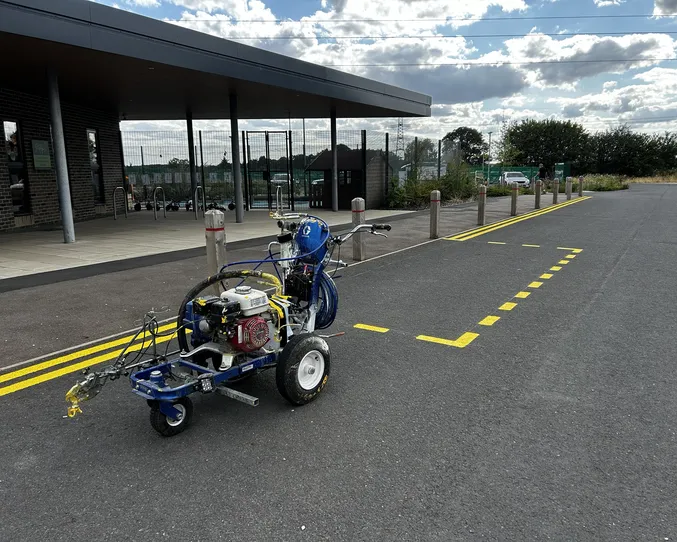
No single paint suits every job. We match the material to the surface, the traffic it takes and how long it needs to last.
- MMA
- Thermoplastic
- 2K epoxy
- Polyaspartic coatings
- Spray-applied acrylic
- Glow-in-the-dark topcoats
Why the cheapest quote often costs more
When you compare quotes, the price on the page is only part of the story. What matters is how long you get from it. A slightly higher price that gives you lines lasting years is a lower overall investment than a cheaper job you have to pay for again.
Painted straight onto the surface
- Day oneLooks sharp at handover.
- Within monthsLines start to flake, fade and lift.
- Before longYou're paying again to remove the failed lines and repaint, with the disruption all over again.
Prepared and marked properly
- Day oneLooks sharp at handover.
- Months laterStill bonded, still clear.
- Years laterStill doing its job, with fewer repaints, less disruption and less material used over the life of the site.
12-month workmanship warranty
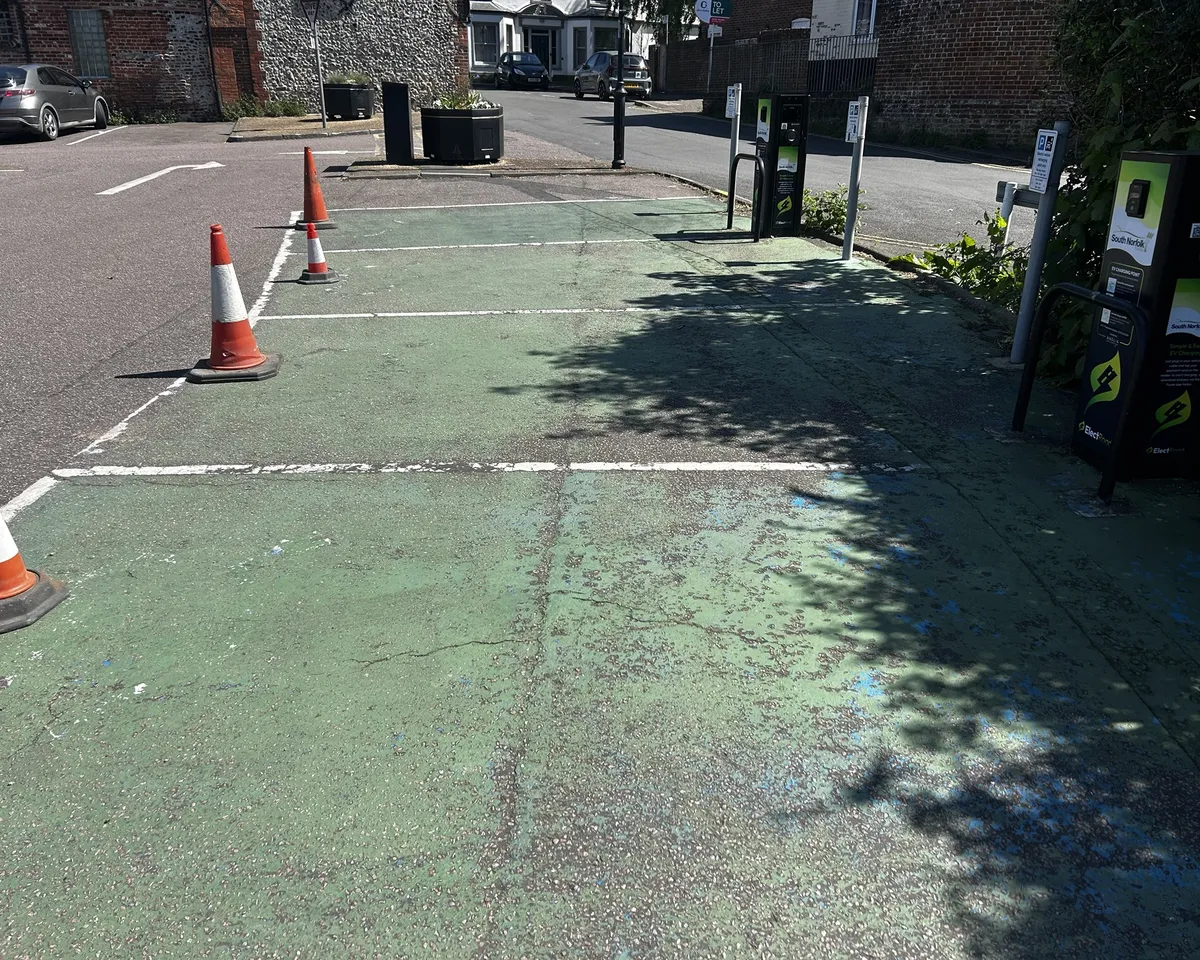
All our markings come with a 12-month workmanship warranty. We prepare every surface properly, so we're happy to stand behind the work.
We won't cut corners to win on price
We won't paint over a dirty or failing surface just to come in cheaper. It gives you a job that looks good for a few months and then fails, and it isn't the quality of work we want our name on.
If your surface isn't fit to mark, we'll tell you before you spend money, and talk you through the options.
Good enough for a few months isn't good enough for us. We're On Point Markings.
Want markings that last?
Tell us about your site and we'll be in touch.
Prefer to chat to a member of the team?01603 905 022Frequently asked questions
Why is your quote higher than another one I've had?
Usually because we've priced in proper preparation and a material that suits your surface and traffic. A cheaper quote that paints over a dirty or failing surface can look the same on day one, but it won't last as long, and you end up paying again for removal and a repaint.
Do you prepare every surface the same way?
No. Every site is different, and not every job needs the same amount of preparation. We look at the surface first and always do as much preparation as the site allows.
How long will my markings last?
It depends on the surface, the traffic and the material. The systems we use are built to last for years rather than months when they go down on a properly prepared surface. We'll talk you through what to expect for your site before we start.
What if my surface is too far gone to mark?
We'll tell you before you spend money on markings. If a surface is breaking up, new lines won't save it, and we can arrange resurfacing before we mark.
Can you just paint over the old lines?
We don't recommend it. New paint bonds to the old layer, so when that lifts, the new paint goes with it. We remove failing markings first so the new ones bond to the surface itself.