
Improving site appeal with properly installed markings
When an EV charging installation is being planned, most of the attention goes on the chargers themselves: the hardware, the power supply, the connectivity. Bay markings are often treated as the last job on the list, something to get done quickly once the equipment is in and working.
From a customer's point of view though, the markings are almost as important as the charger. They're the first thing a driver sees when they pull in, and they're what tells them the site is looked after.
We were recently contracted by a regional charge point operator to refresh the EV bay markings across a number of their sites in Norfolk, after the original markings, installed as an afterthought by the operator's own client, had already started to fail.
Here's what that job looked like.
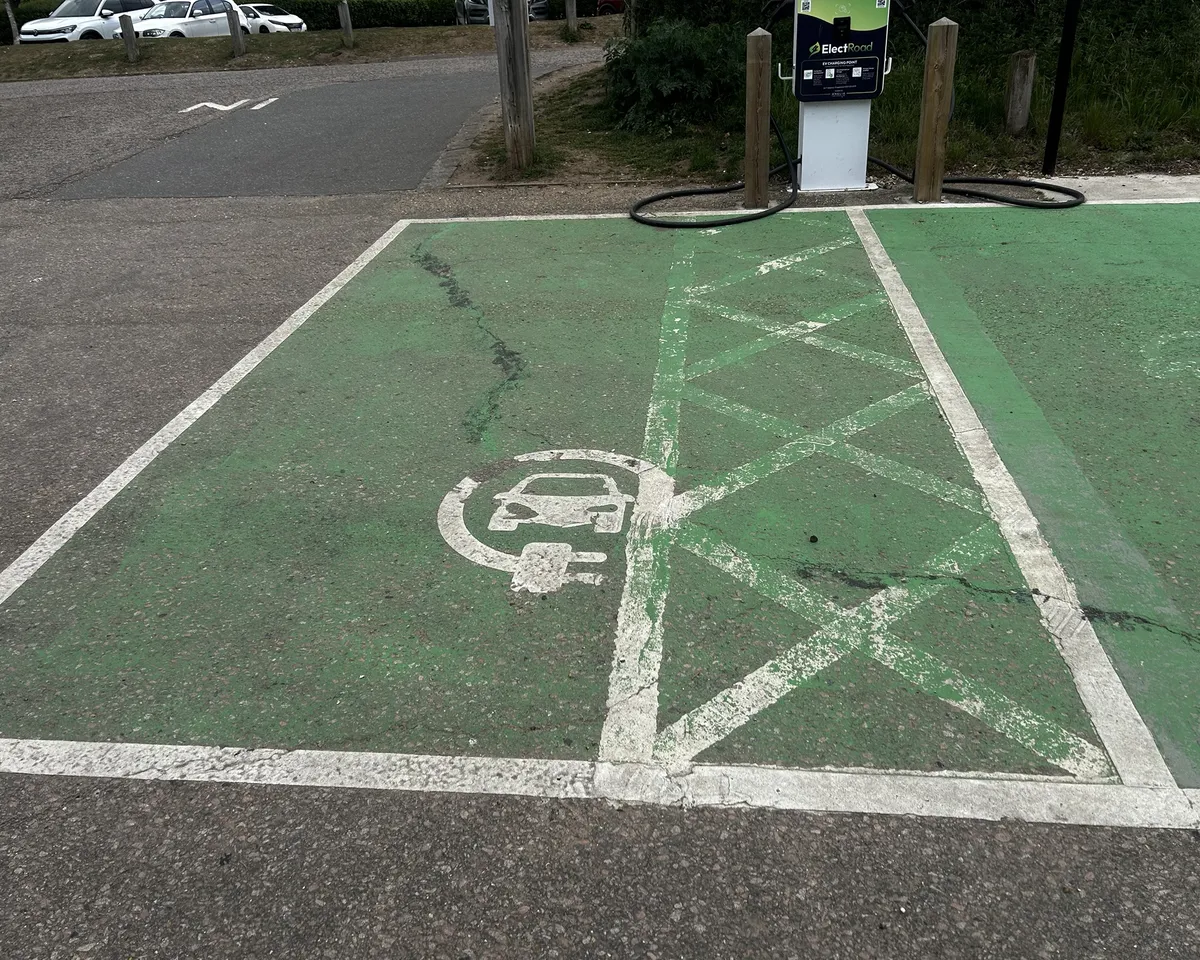
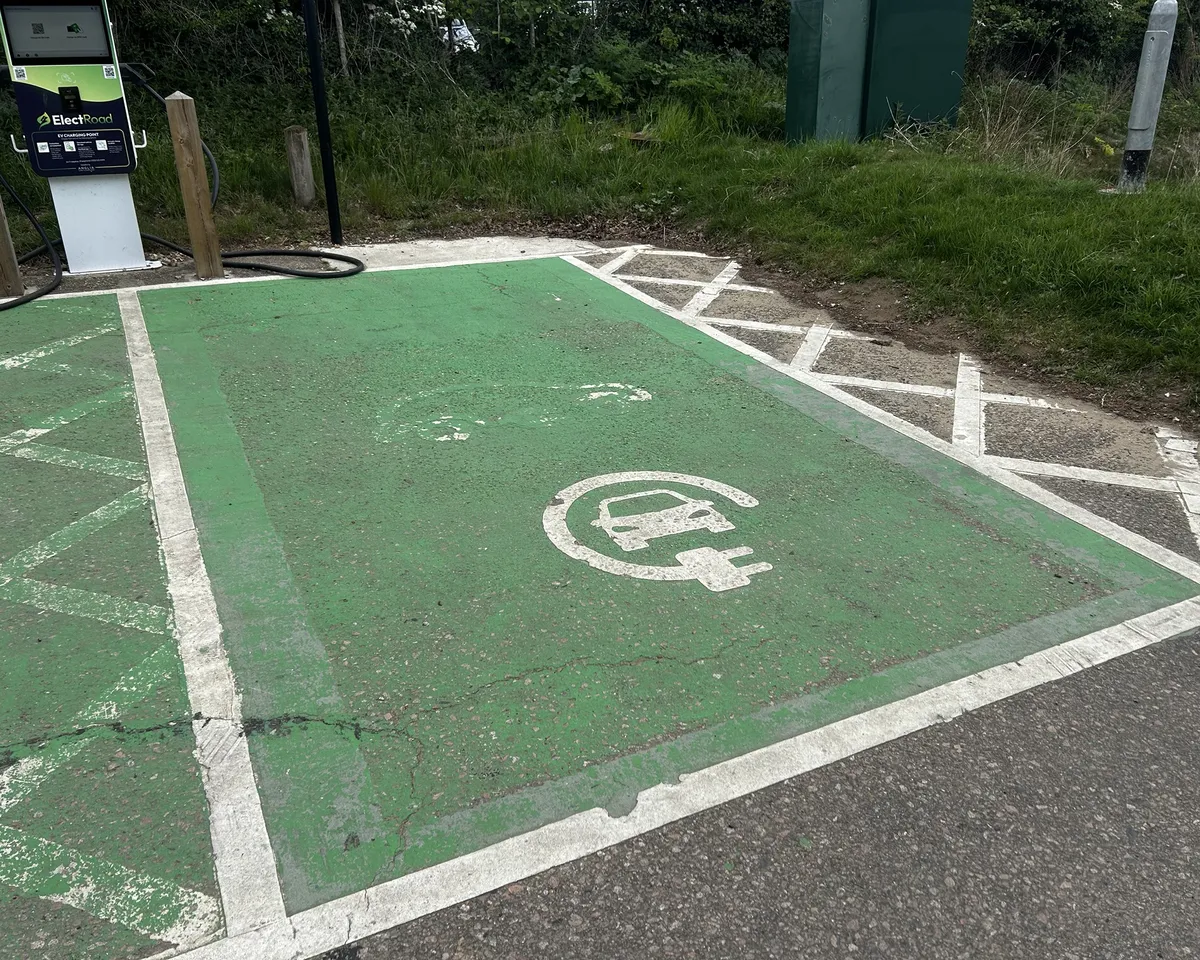
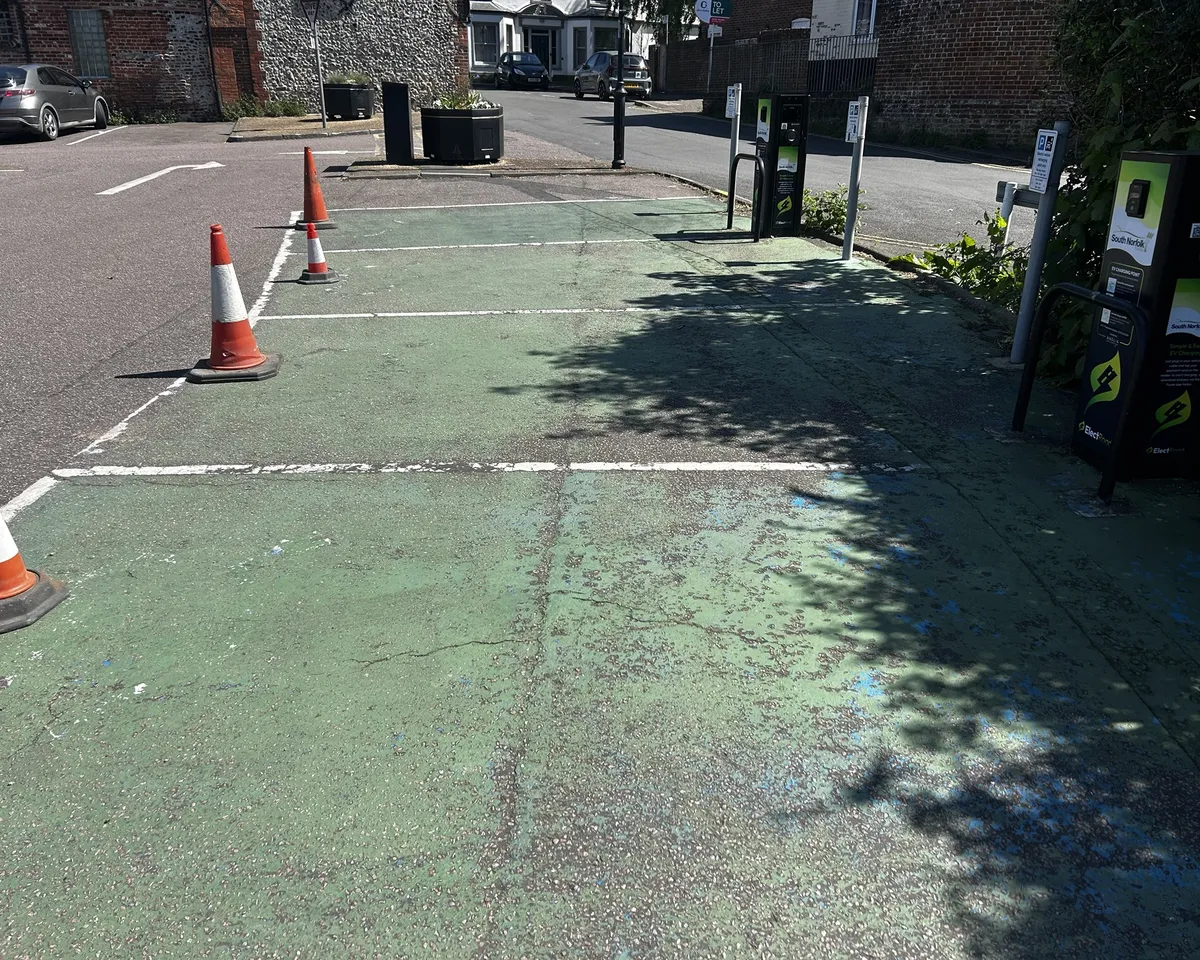
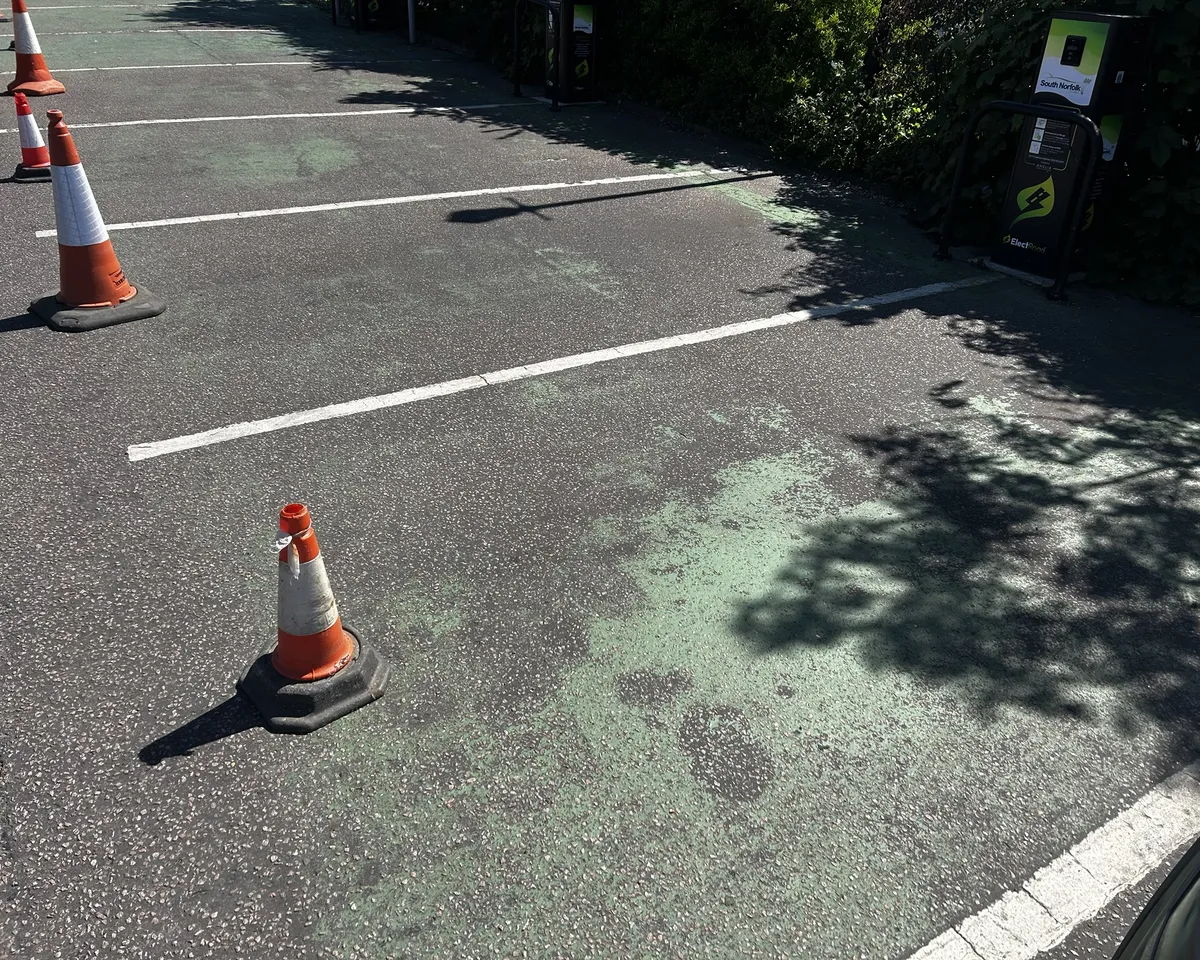
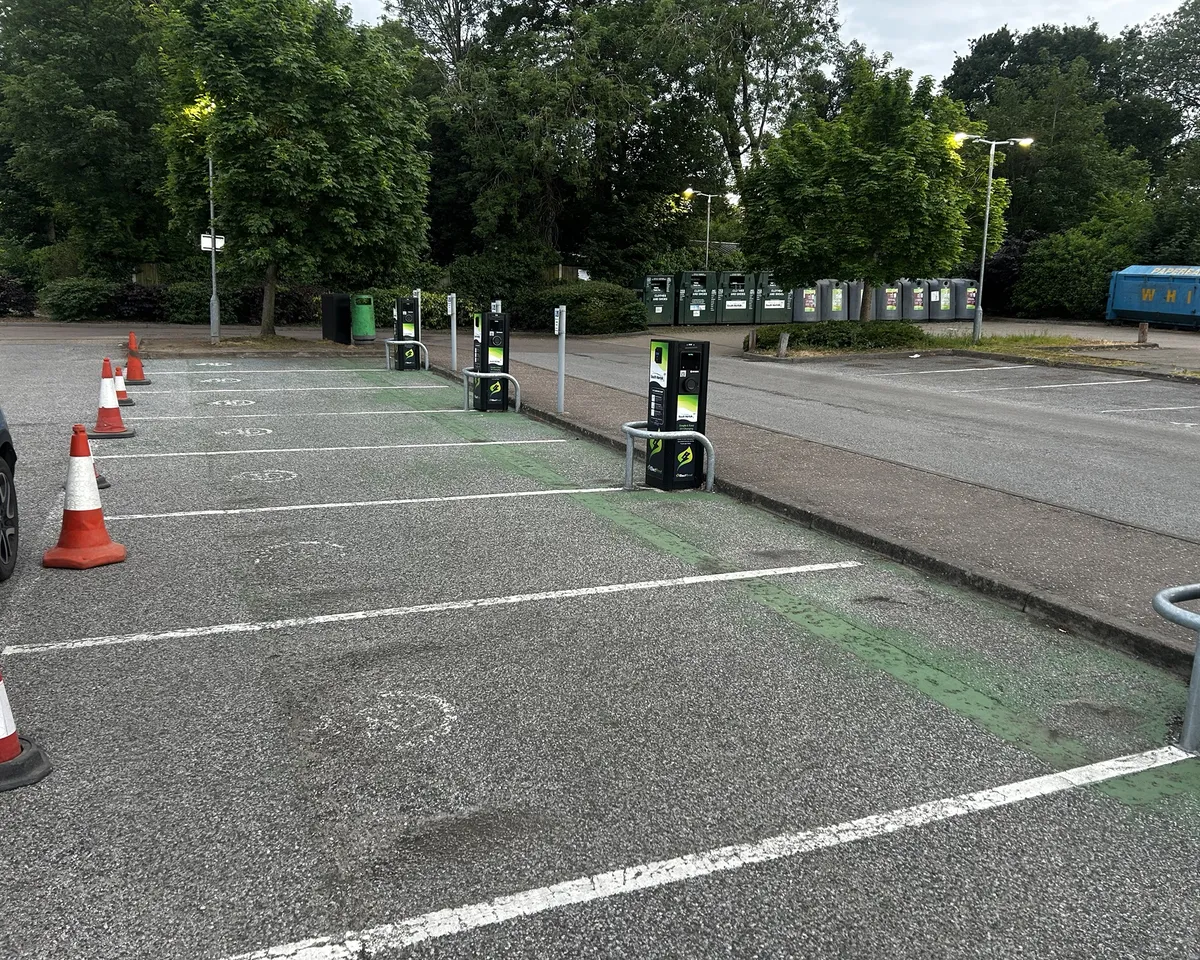
Before: what we found
Across the sites, the pattern was the same.
Bay markings had clearly been treated as a box to tick at the end of the original install rather than a job in their own right. Budget pressure on that first install had pushed the choice toward cheaper materials, applied without any real surface preparation underneath.
The result was markings failing well before they should have: paint peeling and lifting at the edges, colour washing out, and bay outlines and symbols becoming hard to read from a distance. On a live EV charging site, that's not just a cosmetic problem. Faded or unclear bays make drivers hesitate, encourage non-EVs to park where they shouldn't, and make a site that's meant to look modern and well run look neglected instead.
The refresh: our approach
Painting over the old markings was never going to fix the underlying problem, since whatever was applied on top would fail the same way.
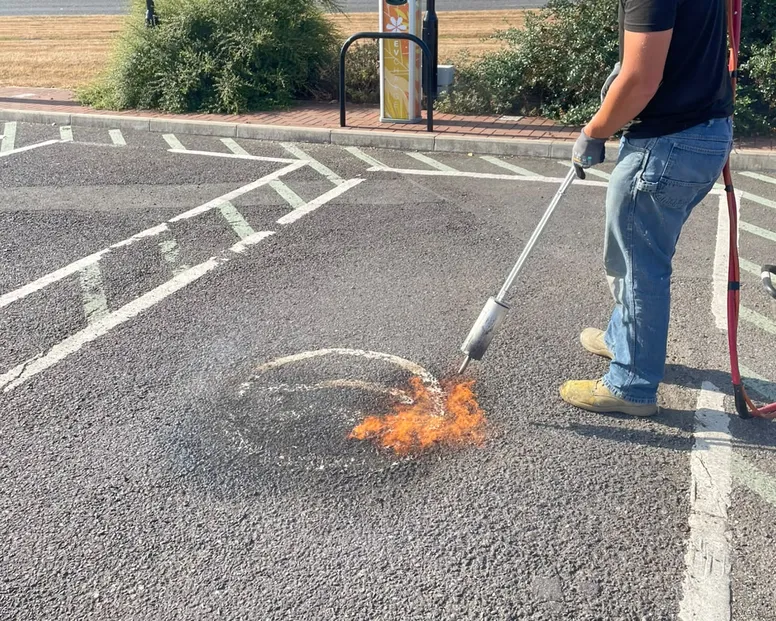
So every bay started with proper surface preparation. We ground the old failing coating off with dust extraction running, taking each bay back to clean, sound tarmac, so the new material had a solid base to bond to rather than a layer of failing paint.
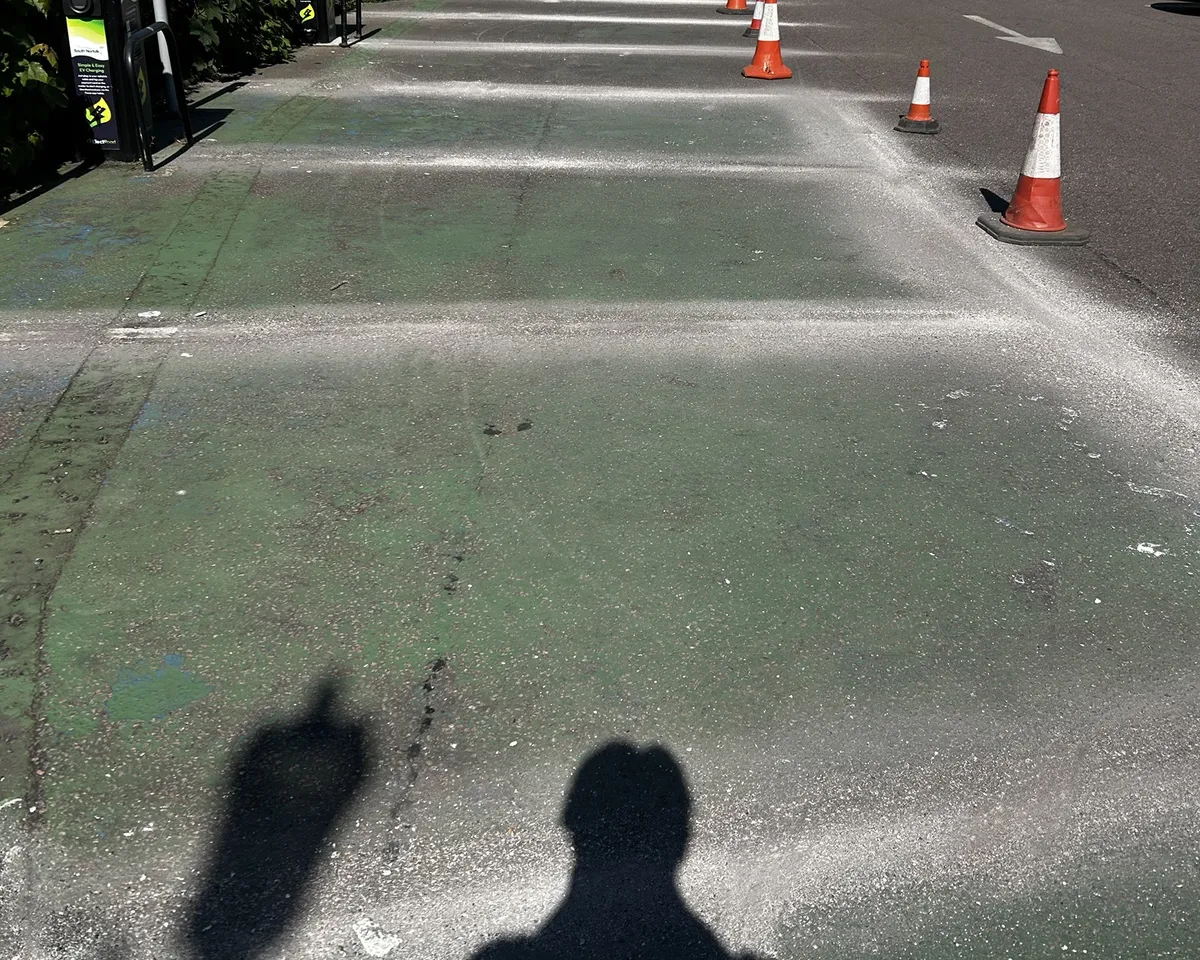
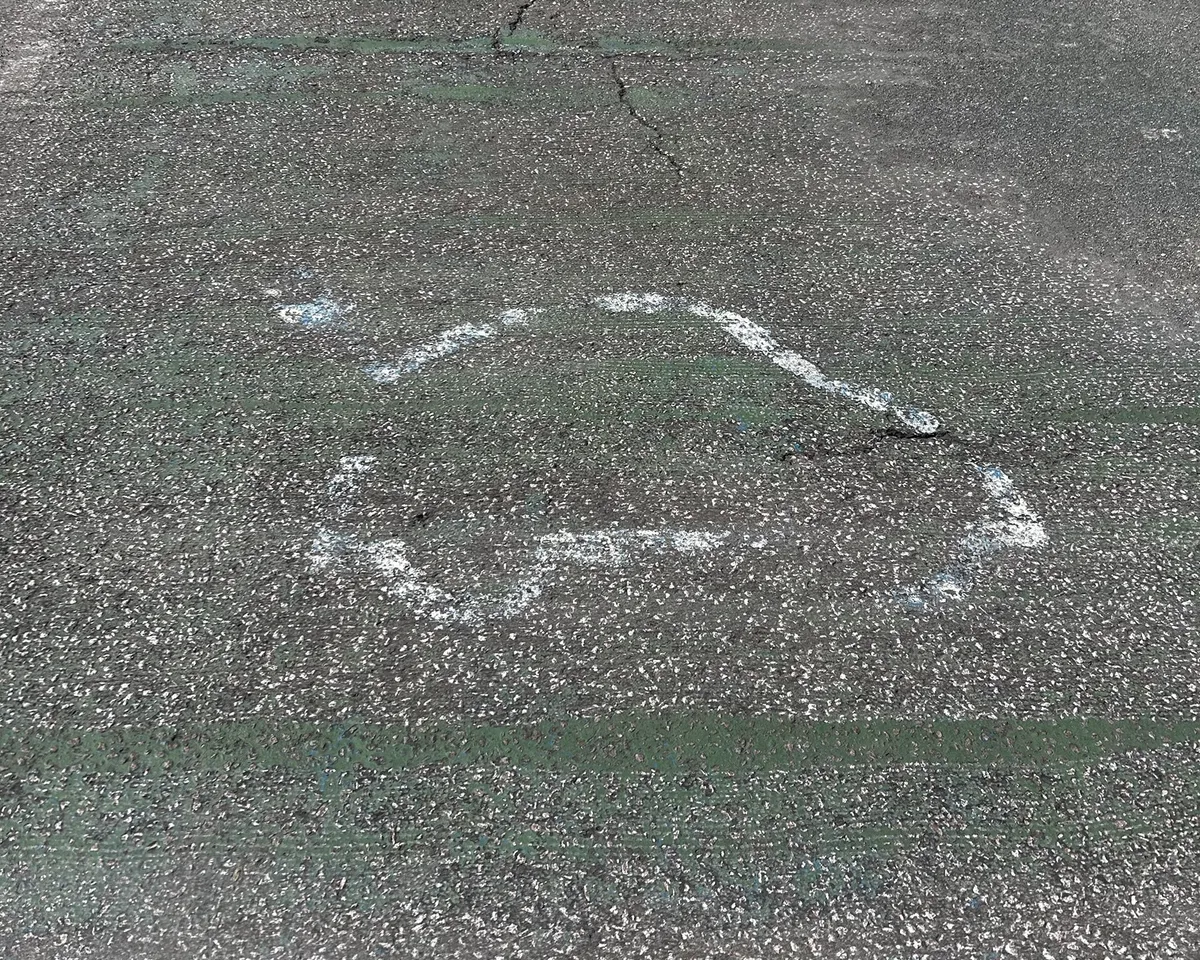
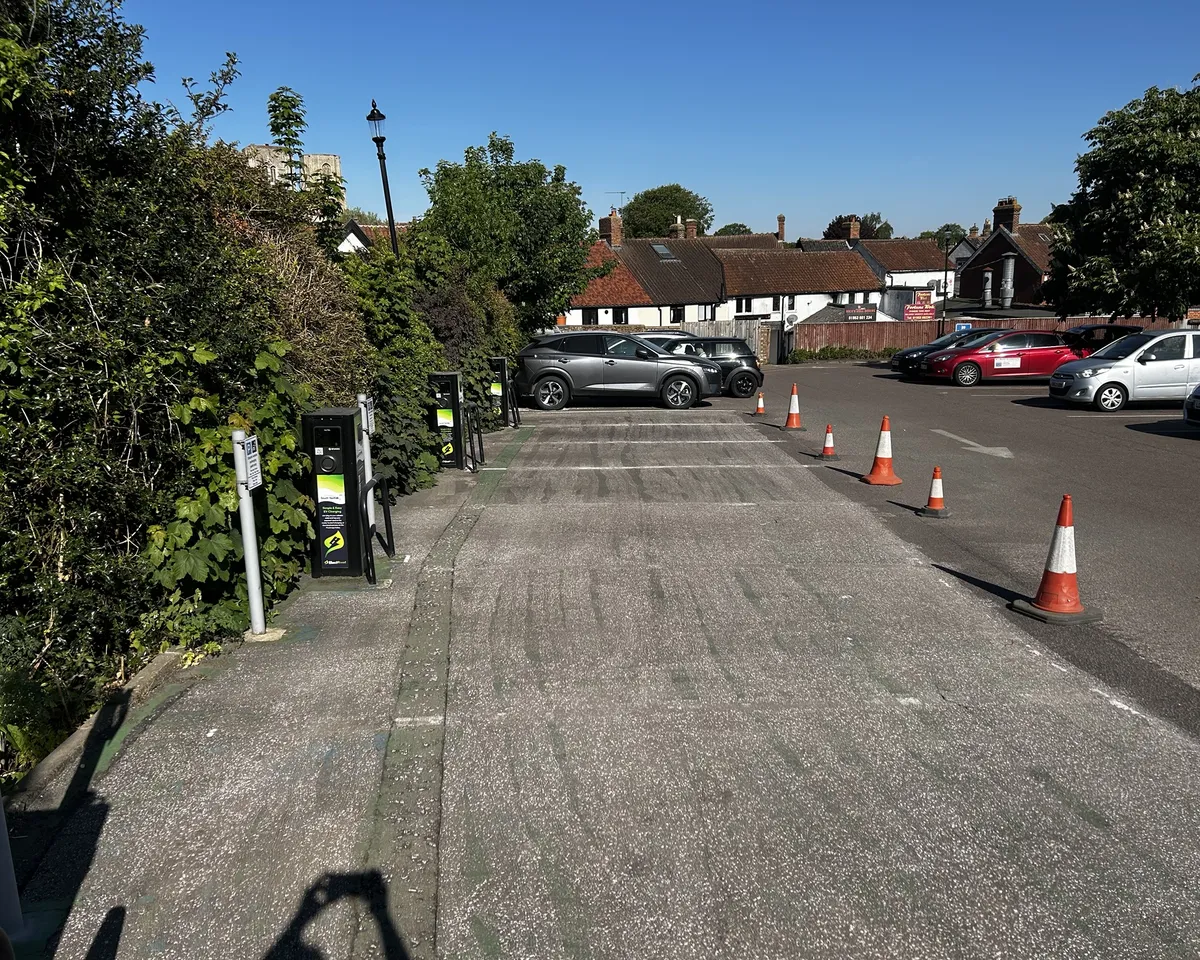
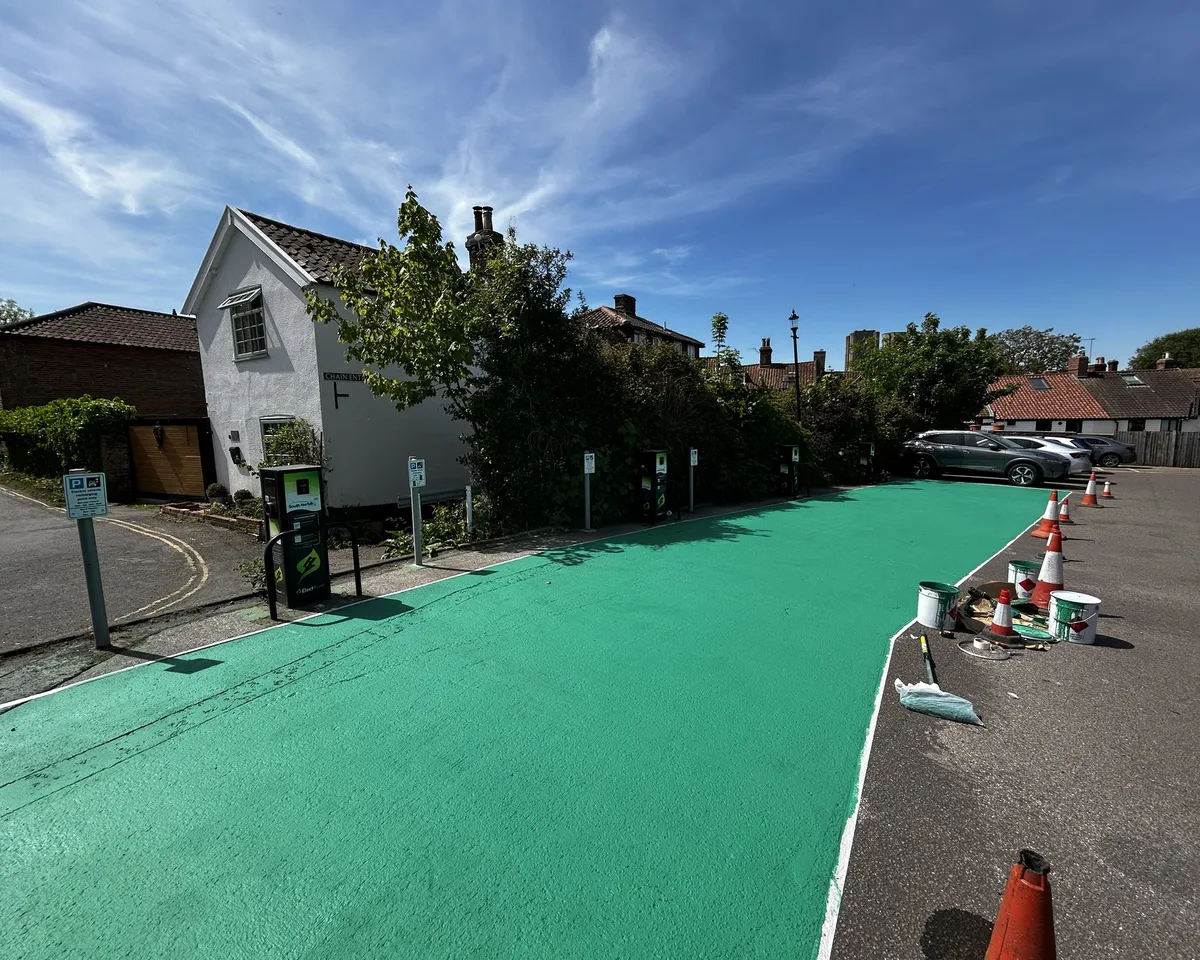
Fresh green coat and custom branding
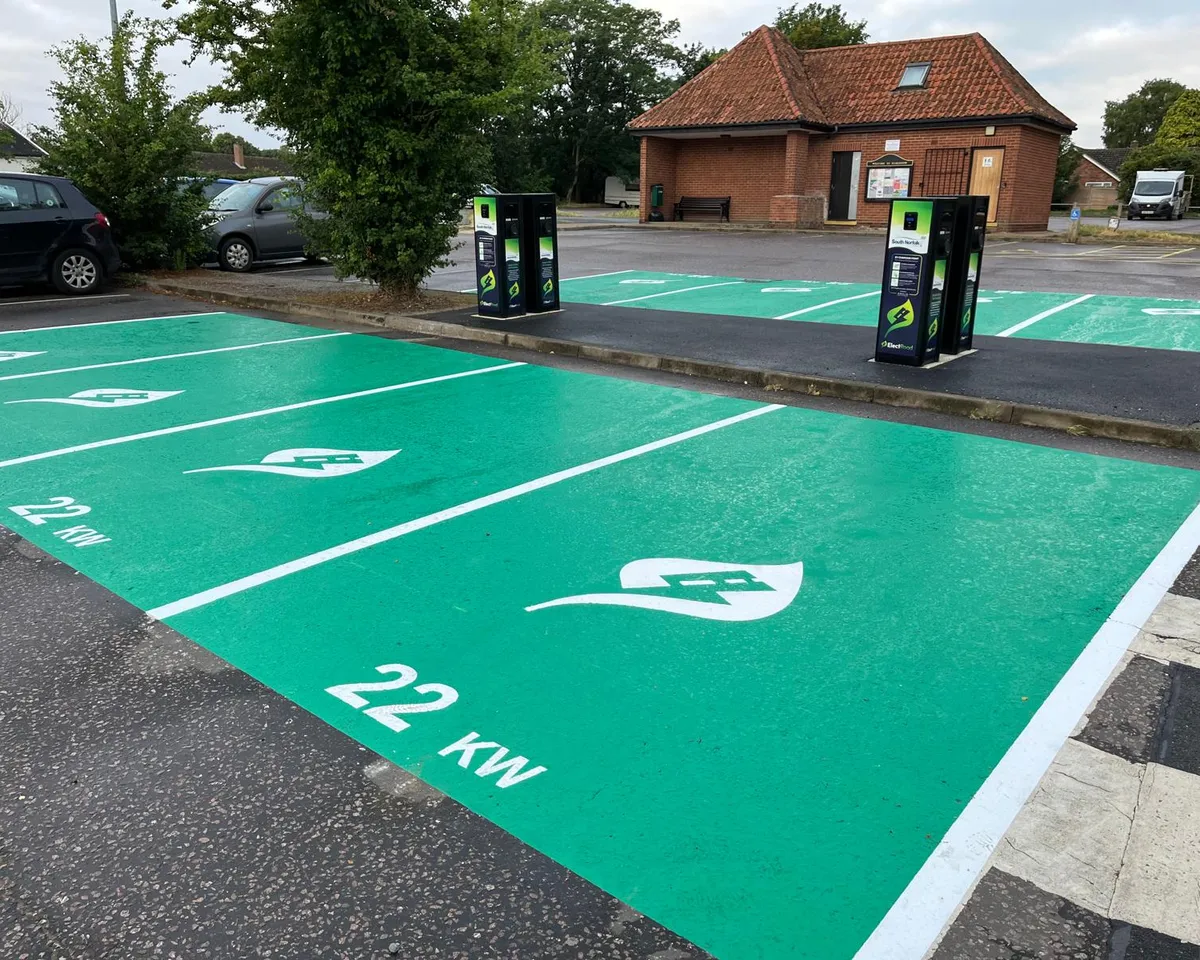
With all 32 bays ground back and clean, we laid a fresh green coat in hard-wearing material, specified to suit the operator's revised budget without repeating the mistake of the original install.
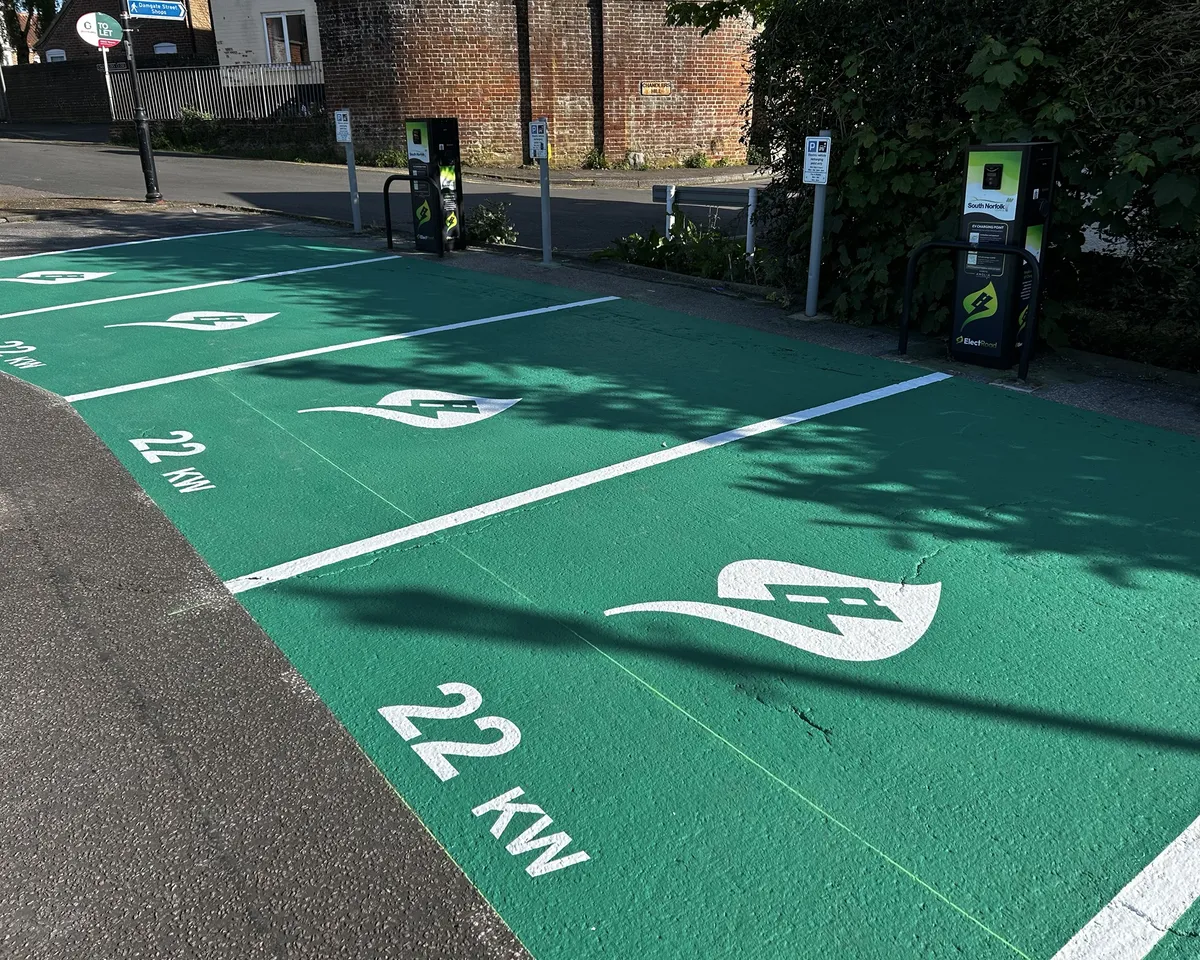
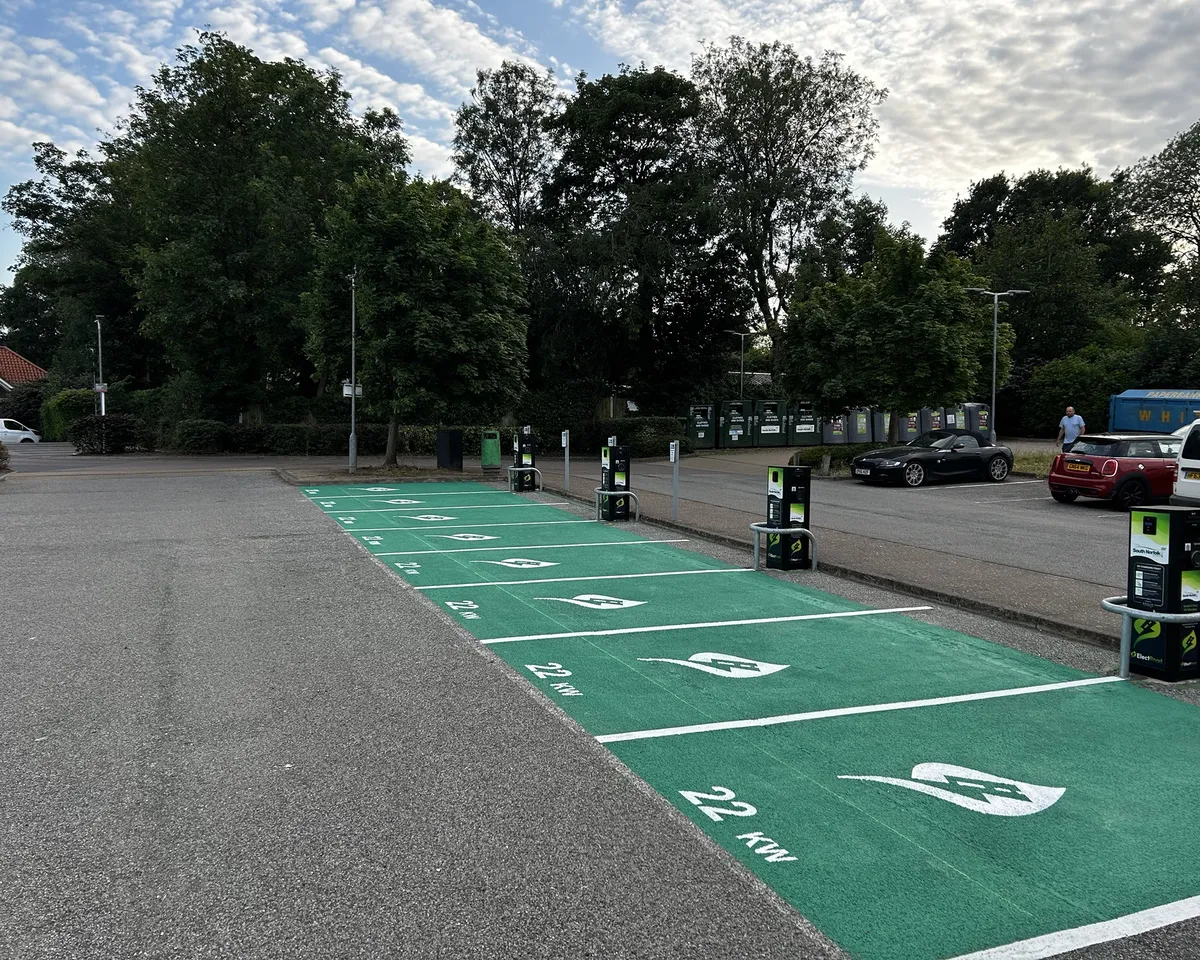
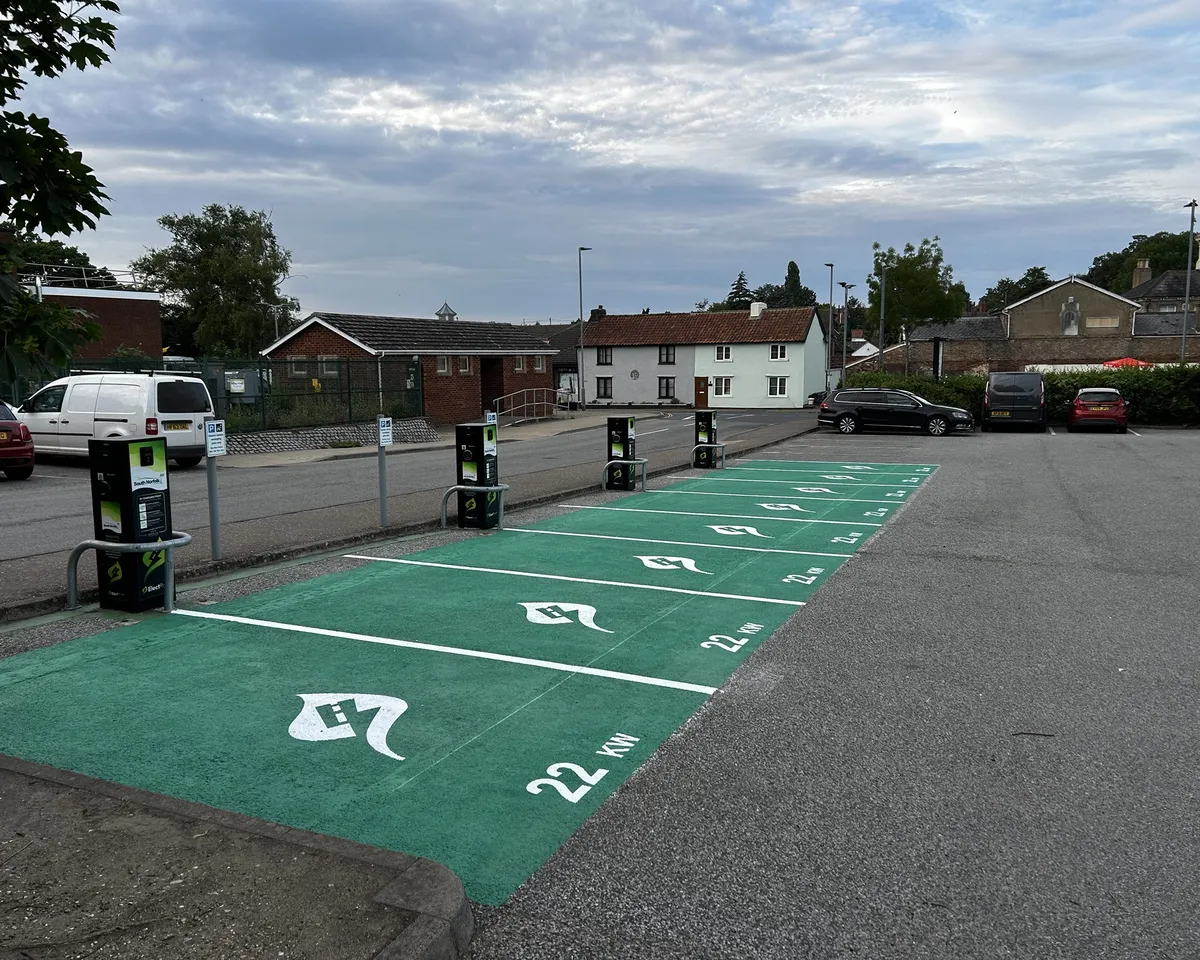
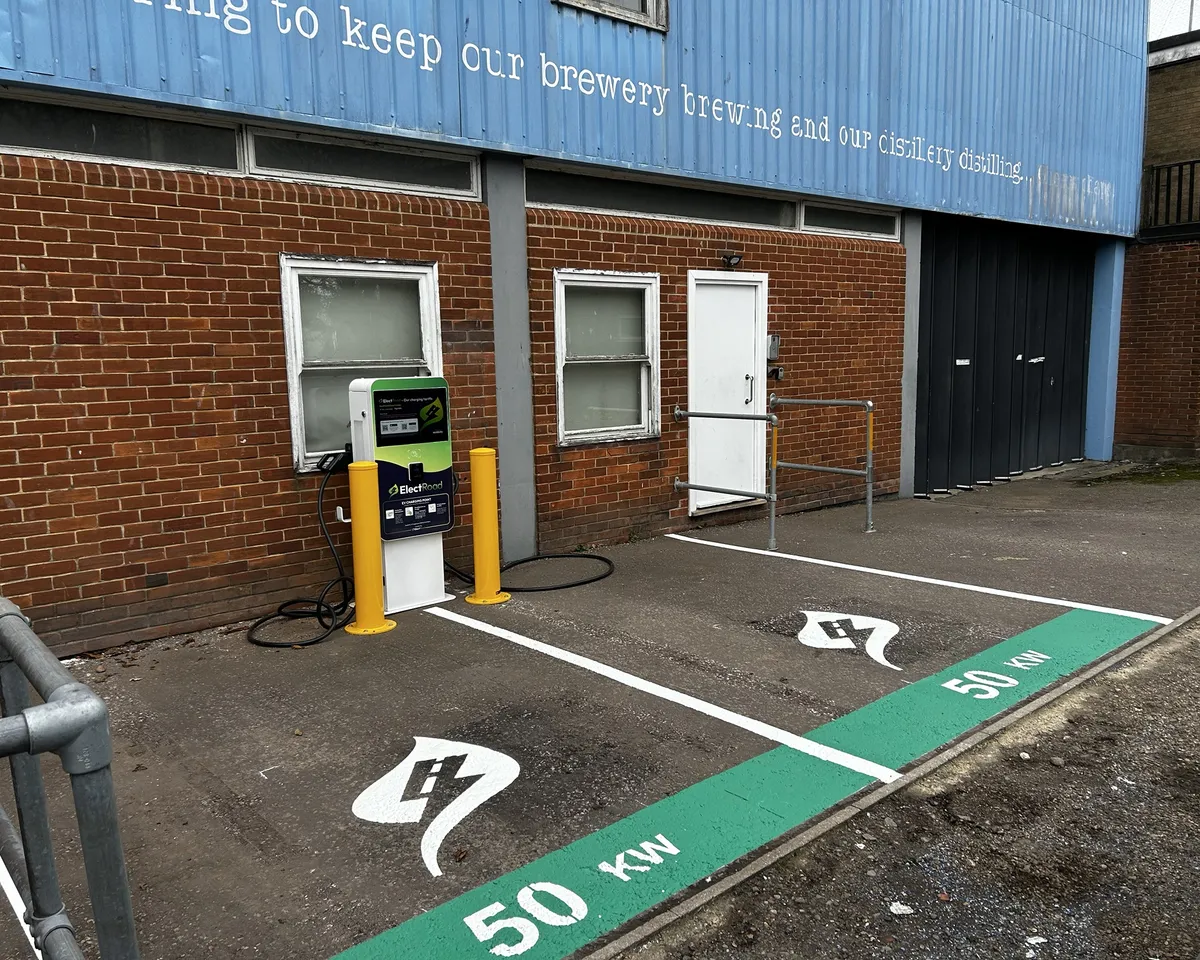
Then came the crisp white bay lines, the 22kW and 50kW power markings, and fully custom stencilled branding in every bay. It gives the operator one consistent, recognisable look across every site instead of the generic symbols that were there before.
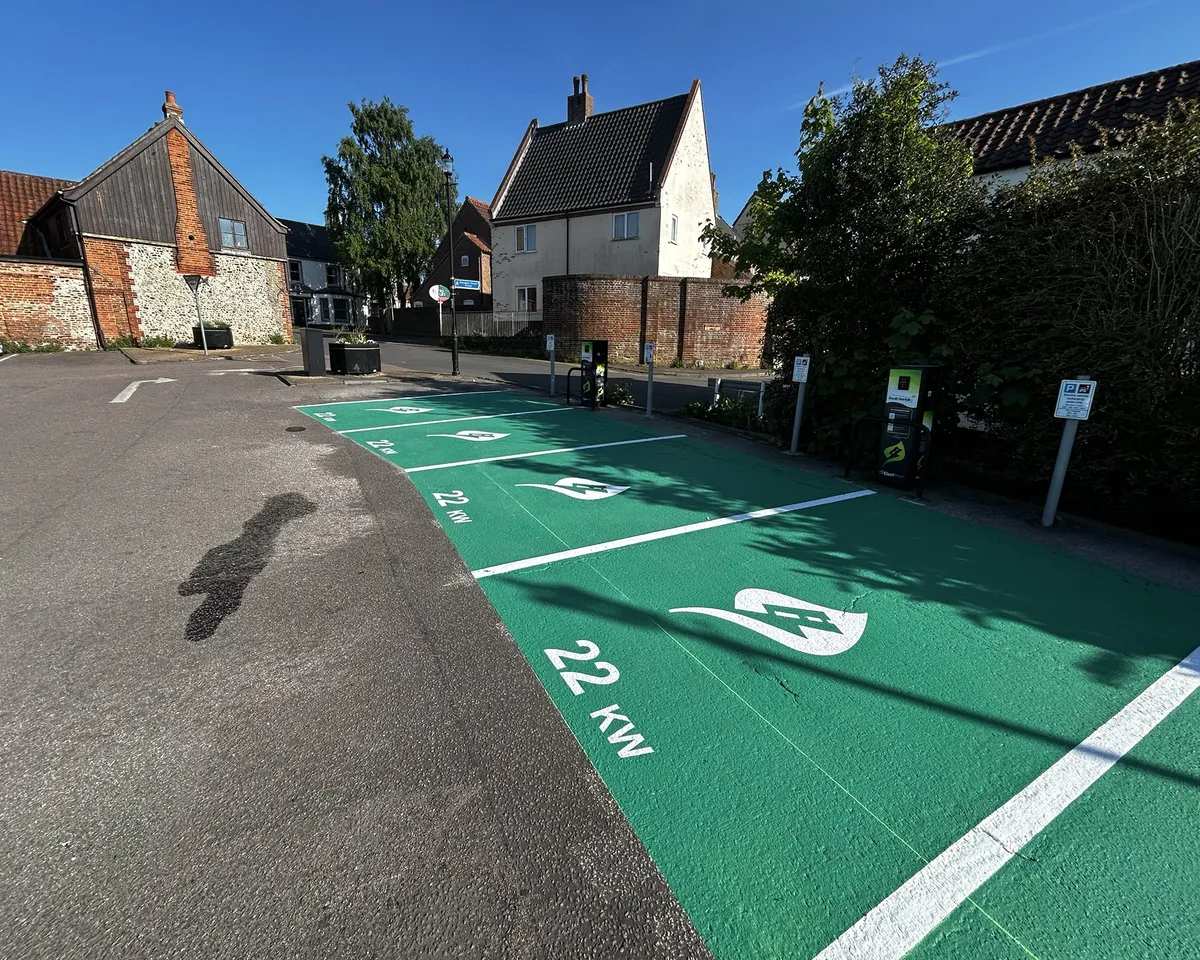
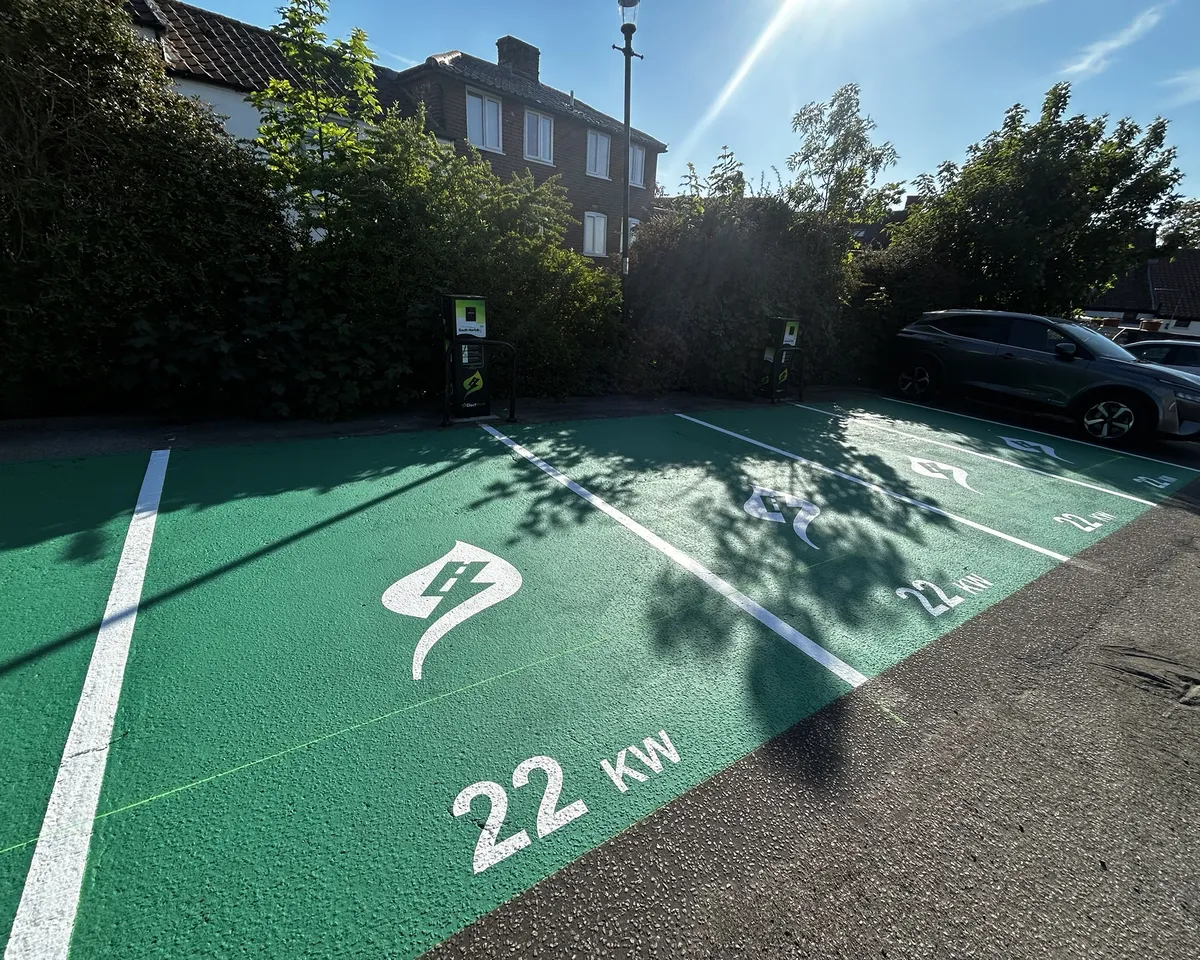
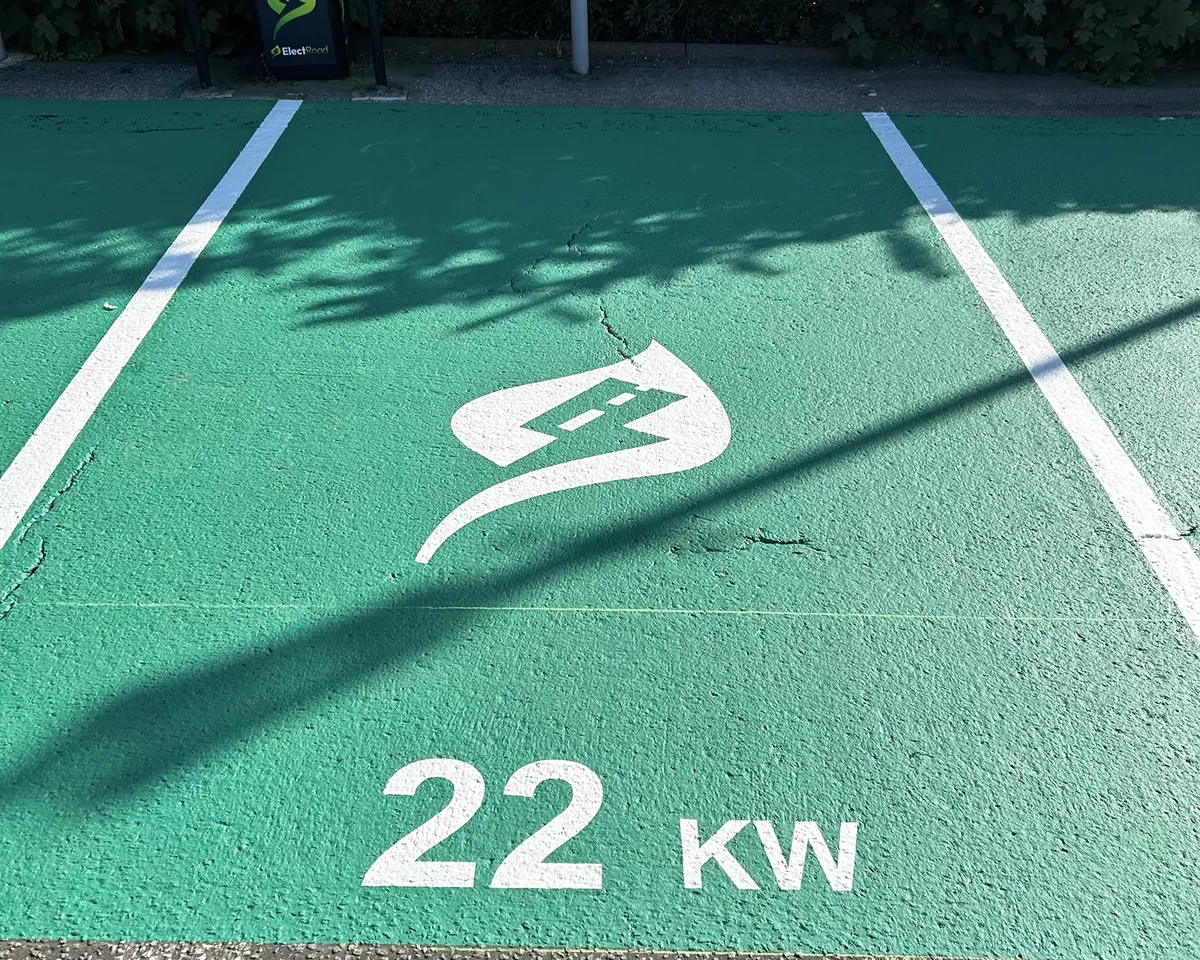
After: the result
32 bays across multiple Norfolk sites now carry markings that are durable, on-brand and, most importantly, properly prepared to last rather than put down over a failing base. The difference was obvious straight away: sites that looked tired now look properly maintained.
That matters for more than looks. Sharp, branded bays tell drivers the operator cares about the whole experience, not just the charger. Across lots of sites, that consistency helps the brand every time someone plugs in.
If your EV bays were installed as an afterthought and are already starting to show it, it's worth having them looked at before they fail completely. Get in touch for a quote on a refresh across your sites, or see more about our EV charging bay markings.
Need something similar?
Tell us about your site and we'll be in touch.
Prefer to chat to a member of the team?01603 905 022Frequently asked questions
Does it damage the surface underneath?
No, not when it is done properly. Grinding takes off the failing coating and lightly keys the surface so the new material bonds, without damaging the tarmac or concrete underneath.
Can you just paint over the lines instead of removing them?
You can, but it won't last. New paint over failing paint bonds to the old layer, so when that lifts, the new layer goes with it. Removing the failing coating first is what makes a refresh last.
Will the site need to be shut down?
No. We work bay by bay or in small groups, so the rest of the chargers stay in use. We only cone off the bays we are working on.
Is it noisy?
Surface preparation machines are noisy while they are running, but only for short periods on each bay. We can plan the work around busy times or nearby neighbours.
Does it create a lot of dust?
Mechanical removal of markings can create a lot of harmful dust if it is done incorrectly.
We always use industry-standard Class M dust extraction with HEPA filters, which removes almost all of the dust, and any remaining dust is vacuumed up afterwards so very little becomes airborne.
Our team always wears the right PPE, so risks are kept to a minimum.