
About line marking removal
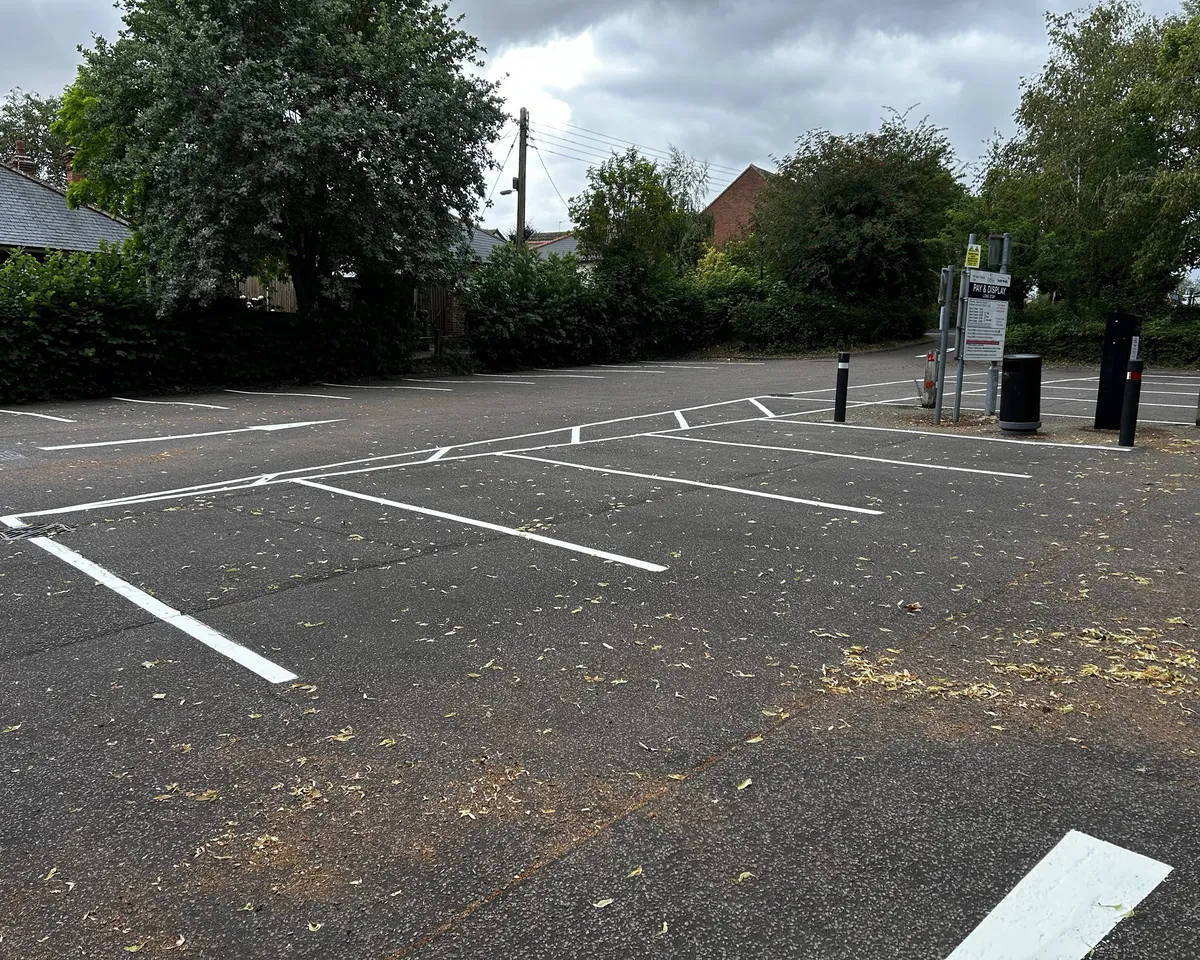
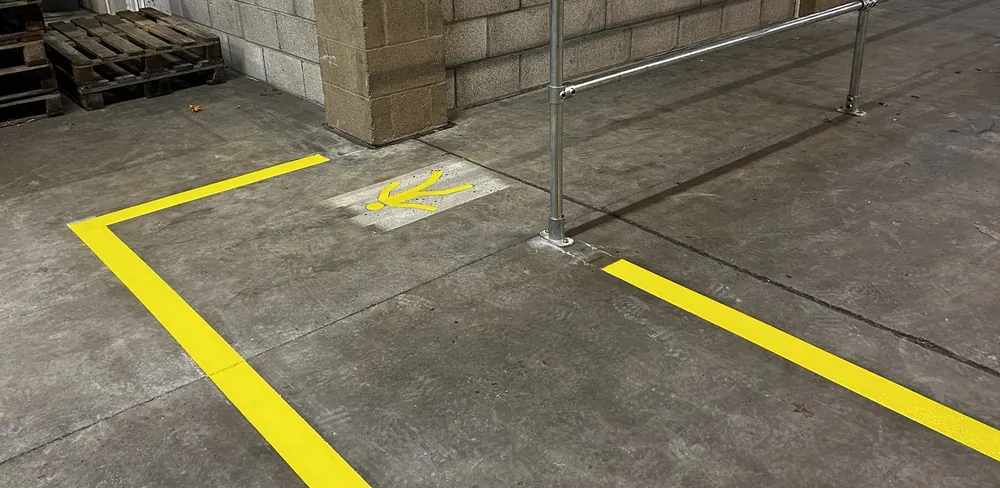
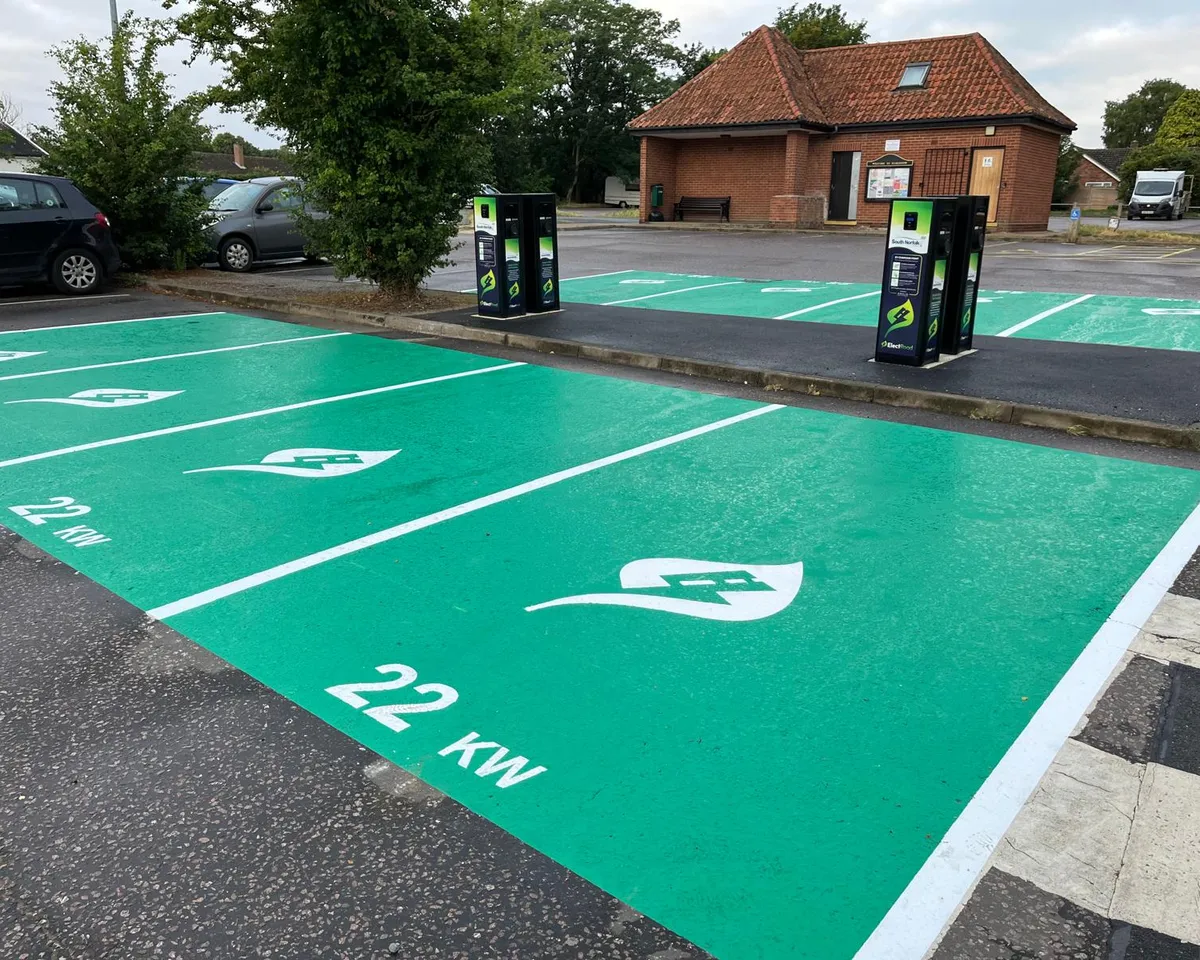
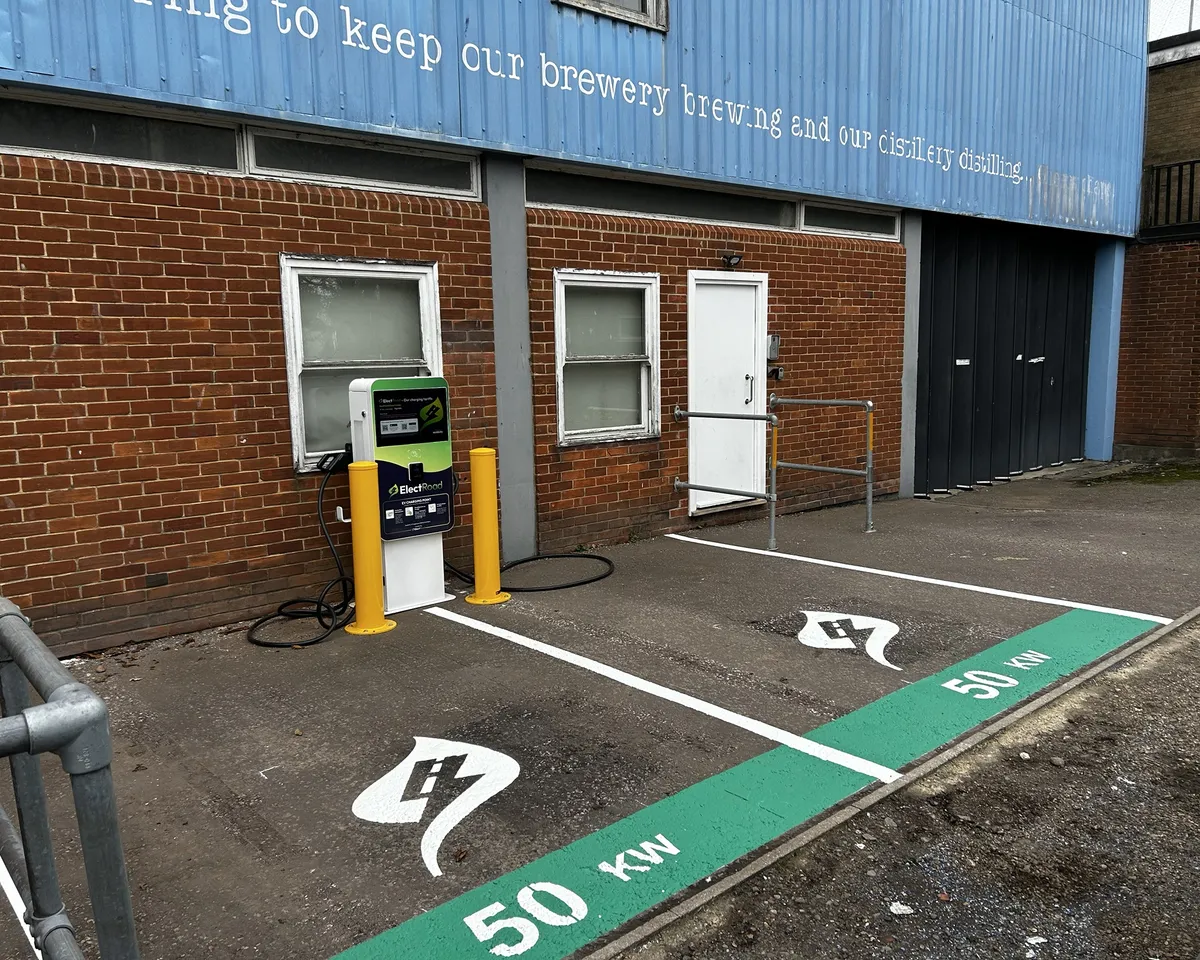
Sites change. Car parks get new layouts, bays get resized, EV charging bays get added and warehouses move their racking. When that happens, the old markings need to go.
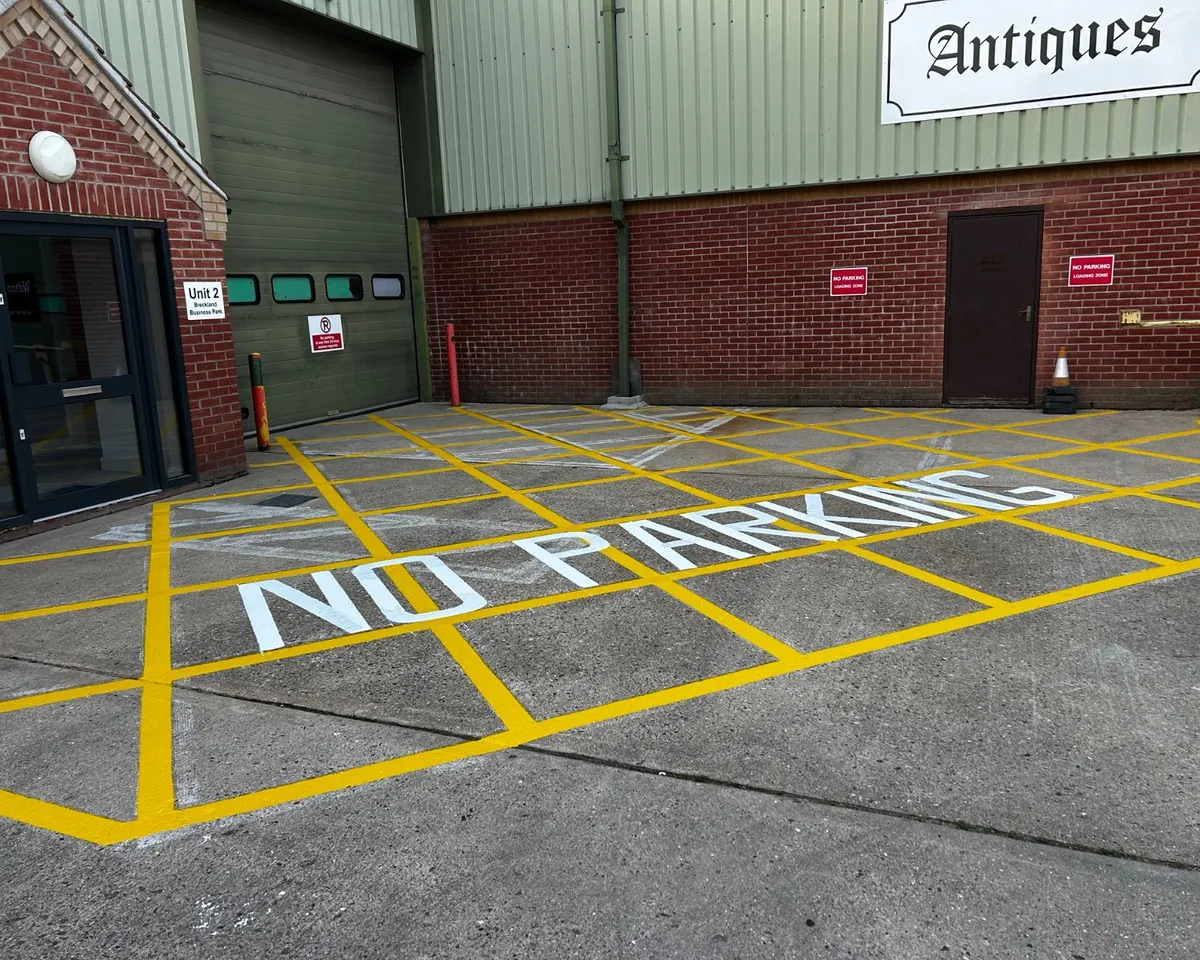
Leaving old lines in place, or painting over them, gives drivers and staff two layouts to follow. It looks untidy, it causes confusion and it can be a safety risk where vehicles and pedestrians share space.
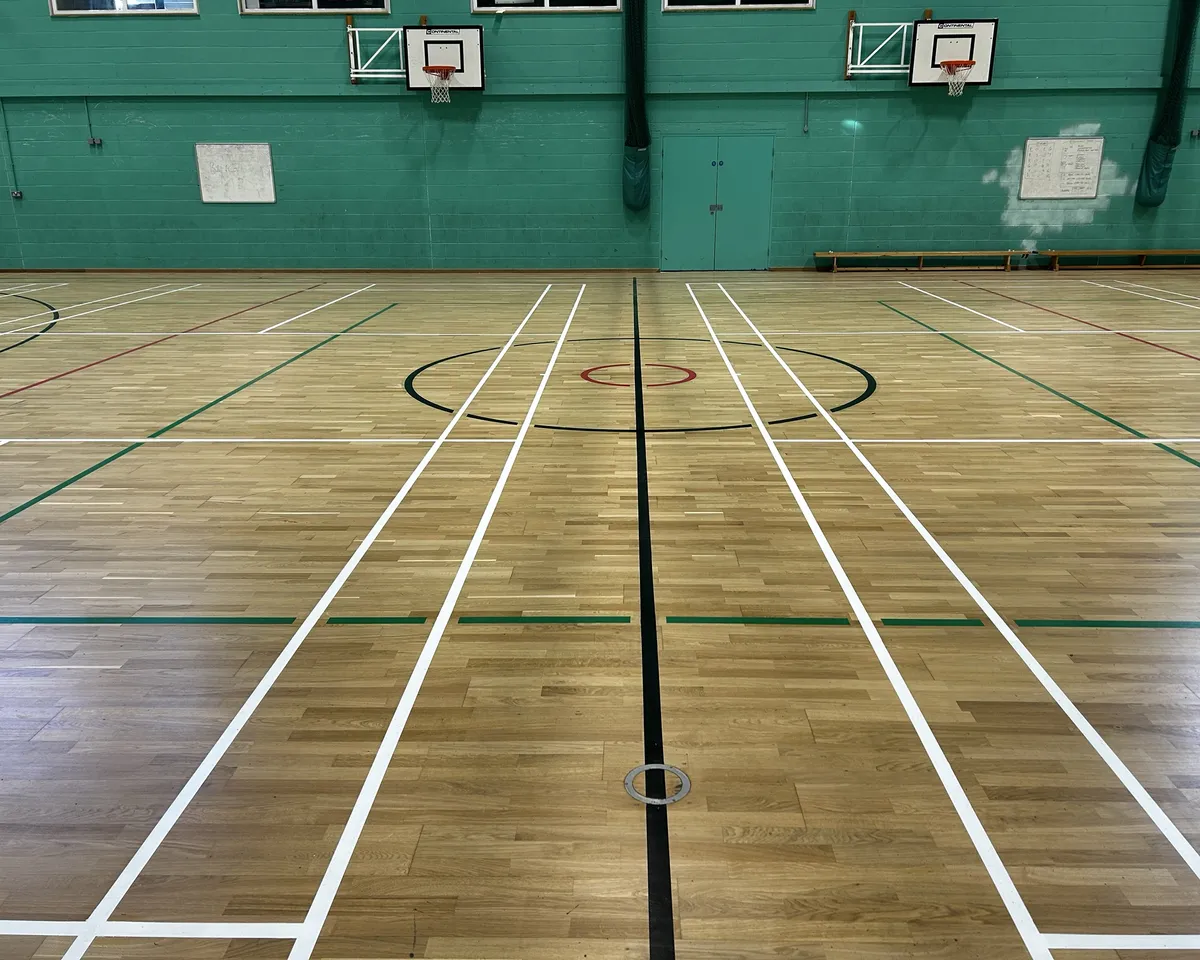
We remove old line markings from car parks, warehouses, yards, sports courts and playgrounds across Norfolk, Suffolk, Essex and Cambridgeshire, either on their own or as the first stage of a new layout. Whether it is line marking paint, thermoplastic or an old coloured coating, we pick the removal method that suits the surface.
Want to know why we prepare every surface properly before marking? Read our principles.
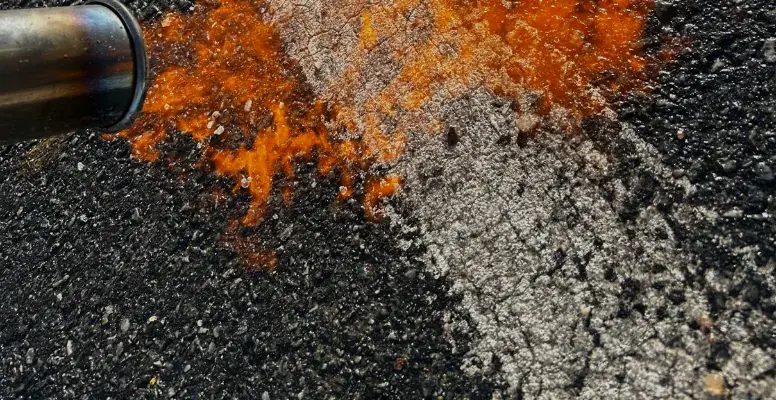
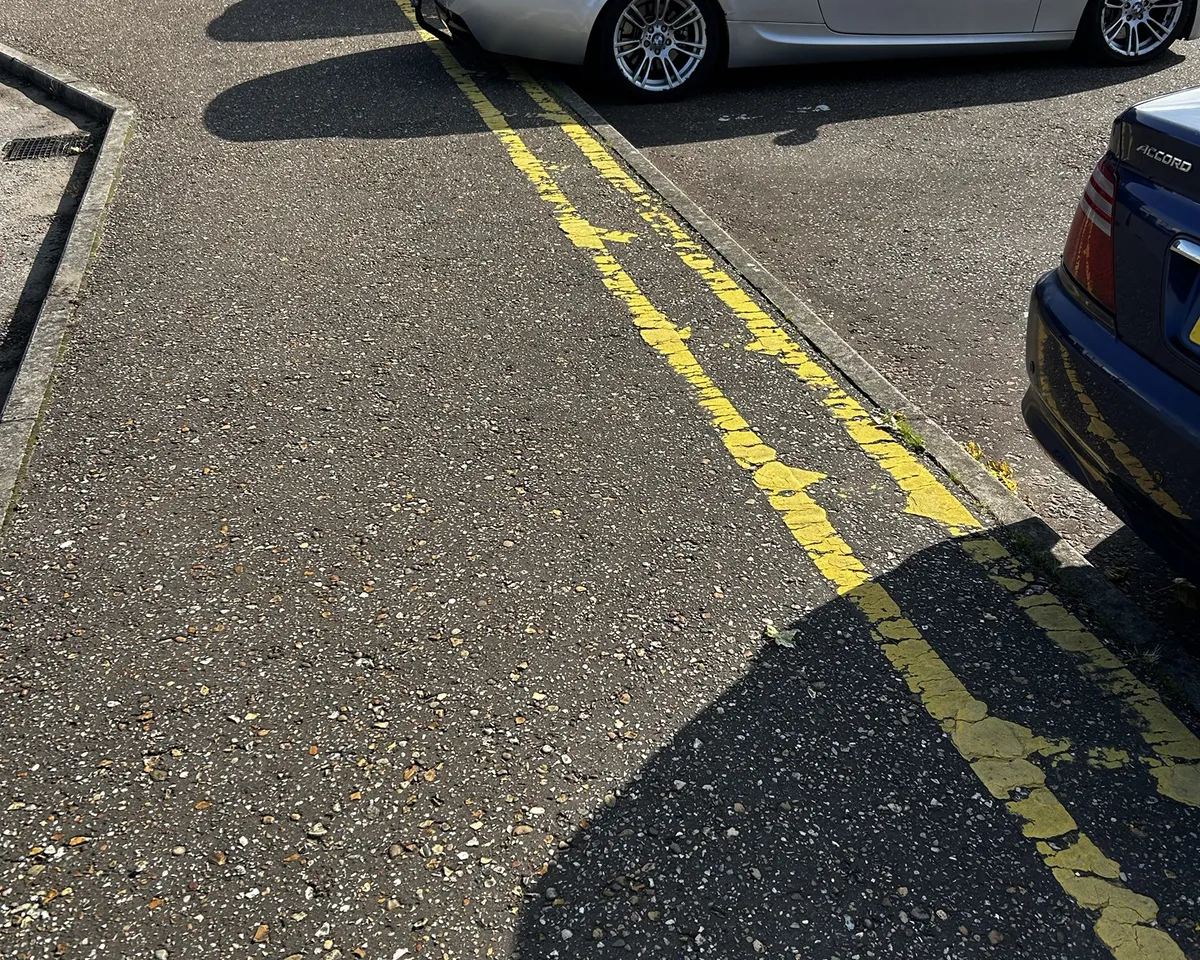
How we remove old markings
The right method depends on the surface and what the old markings are made of. We look at both when we survey your site, then choose the method that removes the marking with the least effect on the surface underneath.
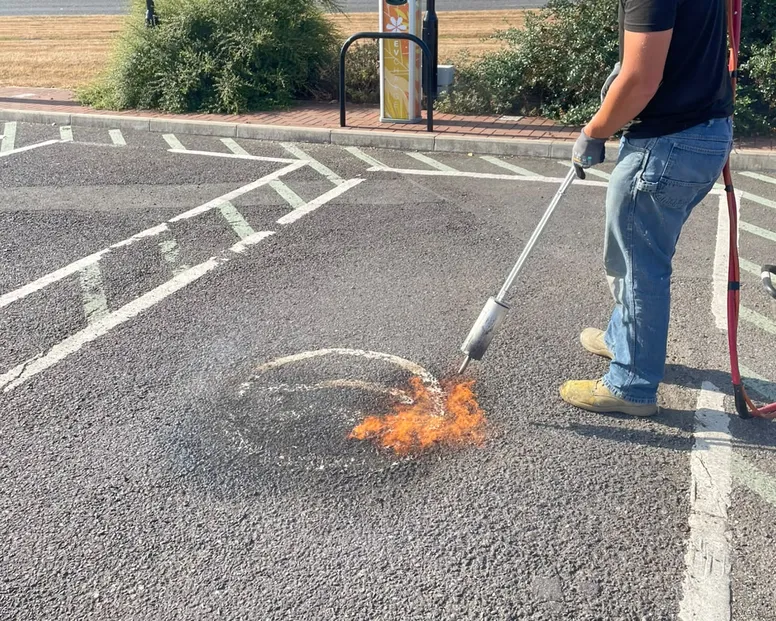
- Heat removal: our usual method for outdoor tarmac. A burner softens and burns off old paint and thermoplastic, without cutting into the surface.
- Mechanical removal: a planer fitted with Class M dust extraction takes off thicker or failing coatings, and keys the surface so new markings bond properly.
- Shot blasting: for indoor concrete floors, removing old paint and coatings and leaving a clean, keyed floor ready for a new marking system.
We don't paint over old lines with black paint. It wears off within months and the old layout shows through again, so we take the old marking off instead.
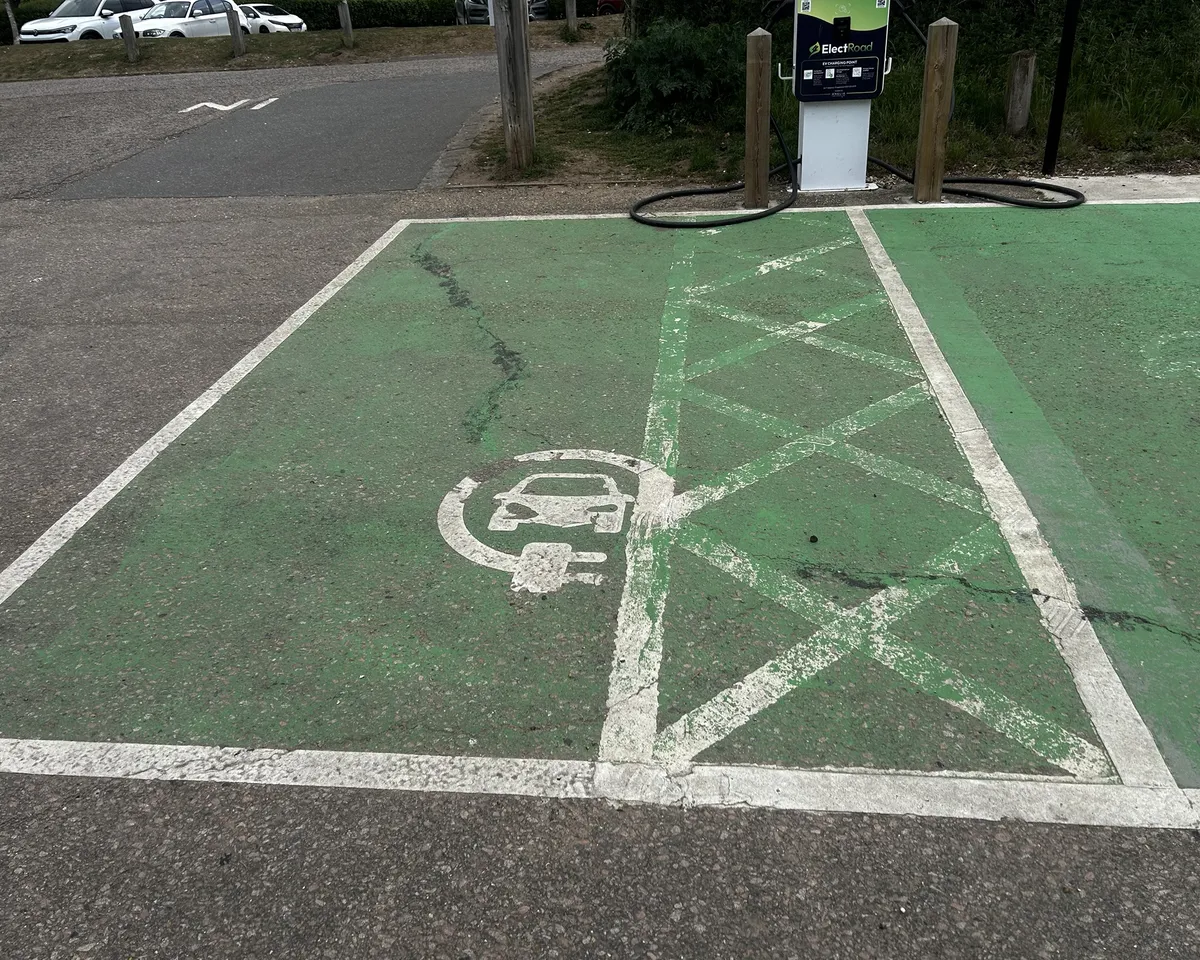
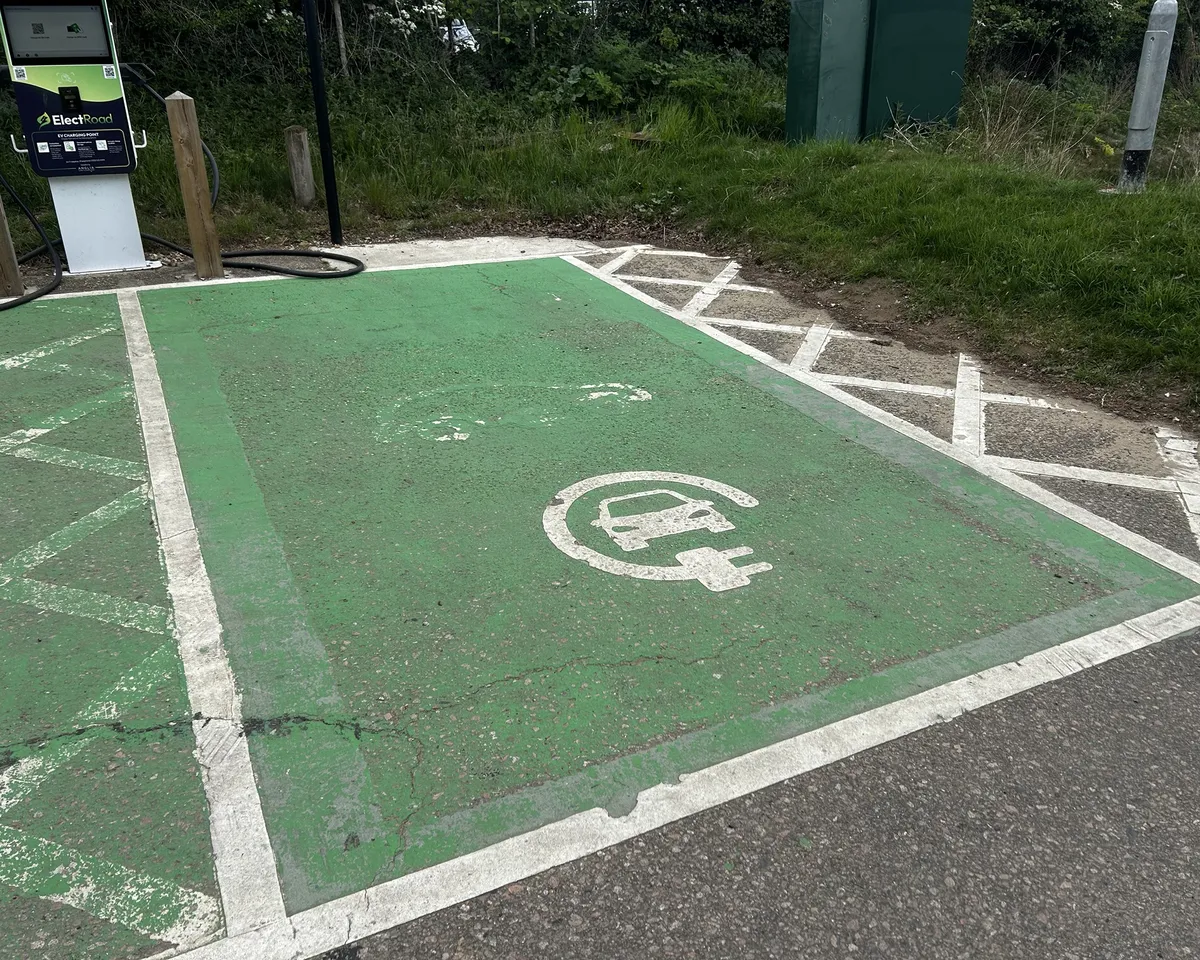
Why proper line removal matters
- One clear layout: drivers, staff and visitors only see the markings you want them to follow.
- Safer sites: old walkways, crossings and bays left showing can send people the wrong way.
- Markings that last: new markings bond to the surface, not to old paint that is already failing.
- A cleaner finish: a site that looks cared for, rather than layered with years of old lines.
On some surfaces removal can leave a faint outline of the old marking. We'll tell you what to expect at survey, before any work starts.
Enquire about this service
Fill out this form and we'll be in touch.
Prefer to chat to a member of the team?01603 905 022Frequently asked questions
Will removing the lines damage the surface?
Done properly, no. Heat removal only takes off the marking, and mechanical removal takes off the thinnest layer needed to remove it. We check the surface first and tell you if there is any risk.
Will there be a ghost line left behind?
Sometimes a faint outline is left, depending on the surface and how long the old marking has been down. We'll tell you what to expect at survey.
Can you remove the old lines and remark in the same visit?
Yes. Most of our removal work is the first stage of a new layout, so we remove the old markings and put the new ones down as one job.
Does it create a lot of dust?
Mechanical removal of markings can create a lot of harmful dust if it is done incorrectly.
We always use industry-standard Class M dust extraction with HEPA filters, which removes almost all of the dust, and any remaining dust is vacuumed up afterwards so very little becomes airborne.
Our team always wears the right PPE, so risks are kept to a minimum.
Do you guarantee your work?
Yes. All our markings come with a 12-month workmanship warranty. We prepare every surface properly before we mark it, so we're happy to stand behind the work.