
A tough, two-part material that cures in minutes
MMA stands for methyl methacrylate. It's a cold-applied marking material, sometimes called cold plastic, made of two parts: a resin and a hardener. Once they're mixed, a chemical reaction sets the material hard.
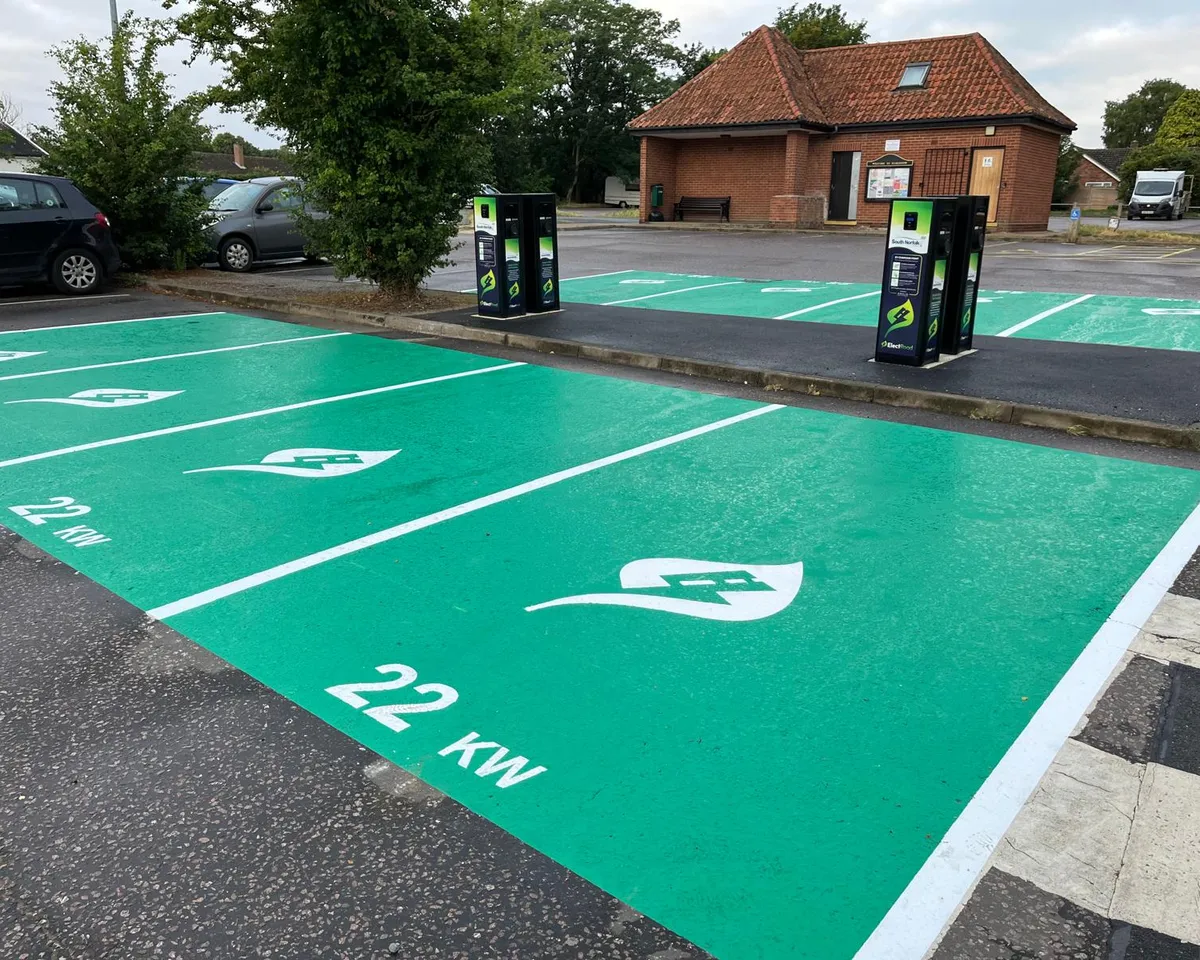
Because it cures by reaction rather than drying out, MMA goes off quickly, builds up thicker than paint and wears far better. That's why we use it for EV bays, coloured bays and anywhere lines take heavy traffic.
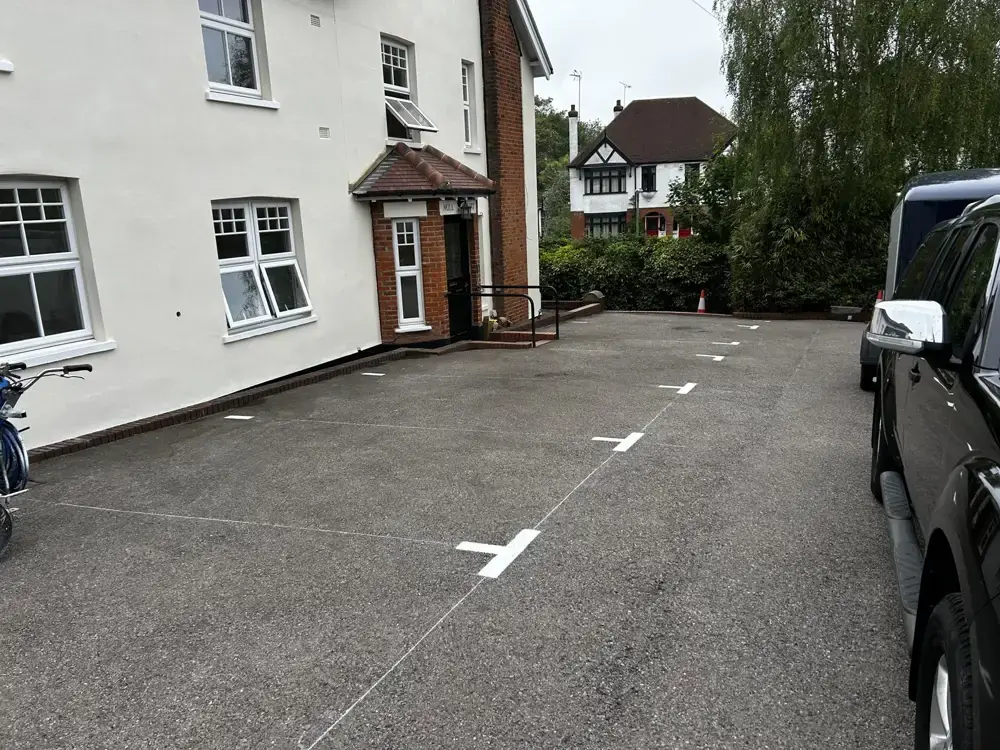
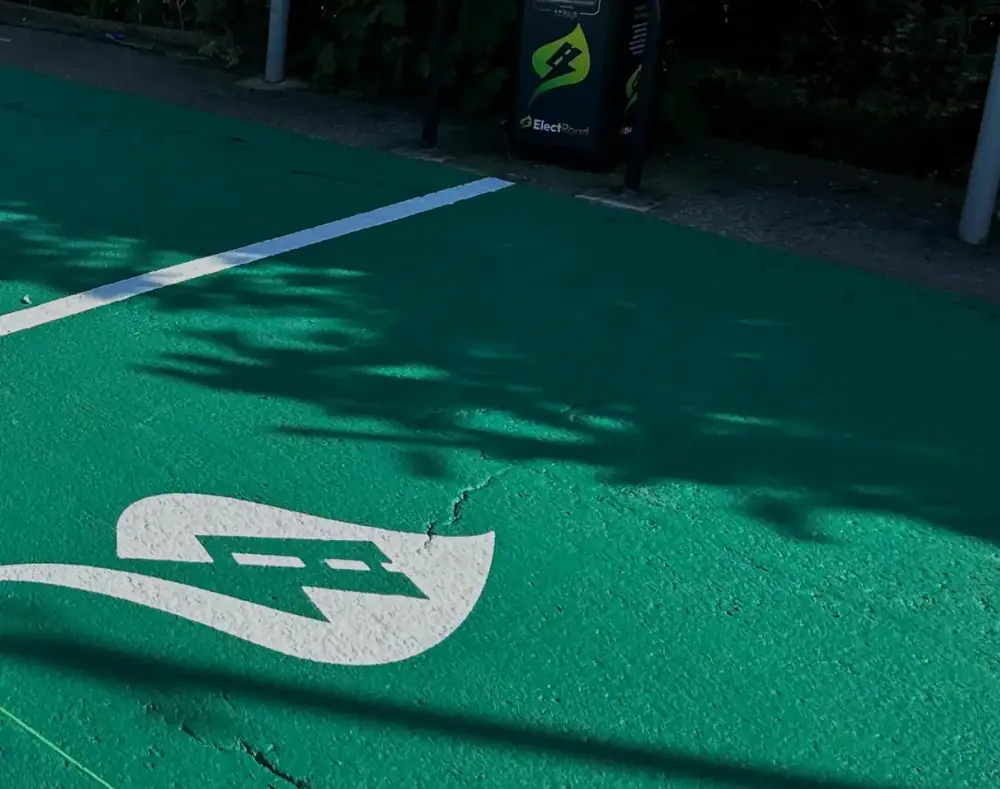
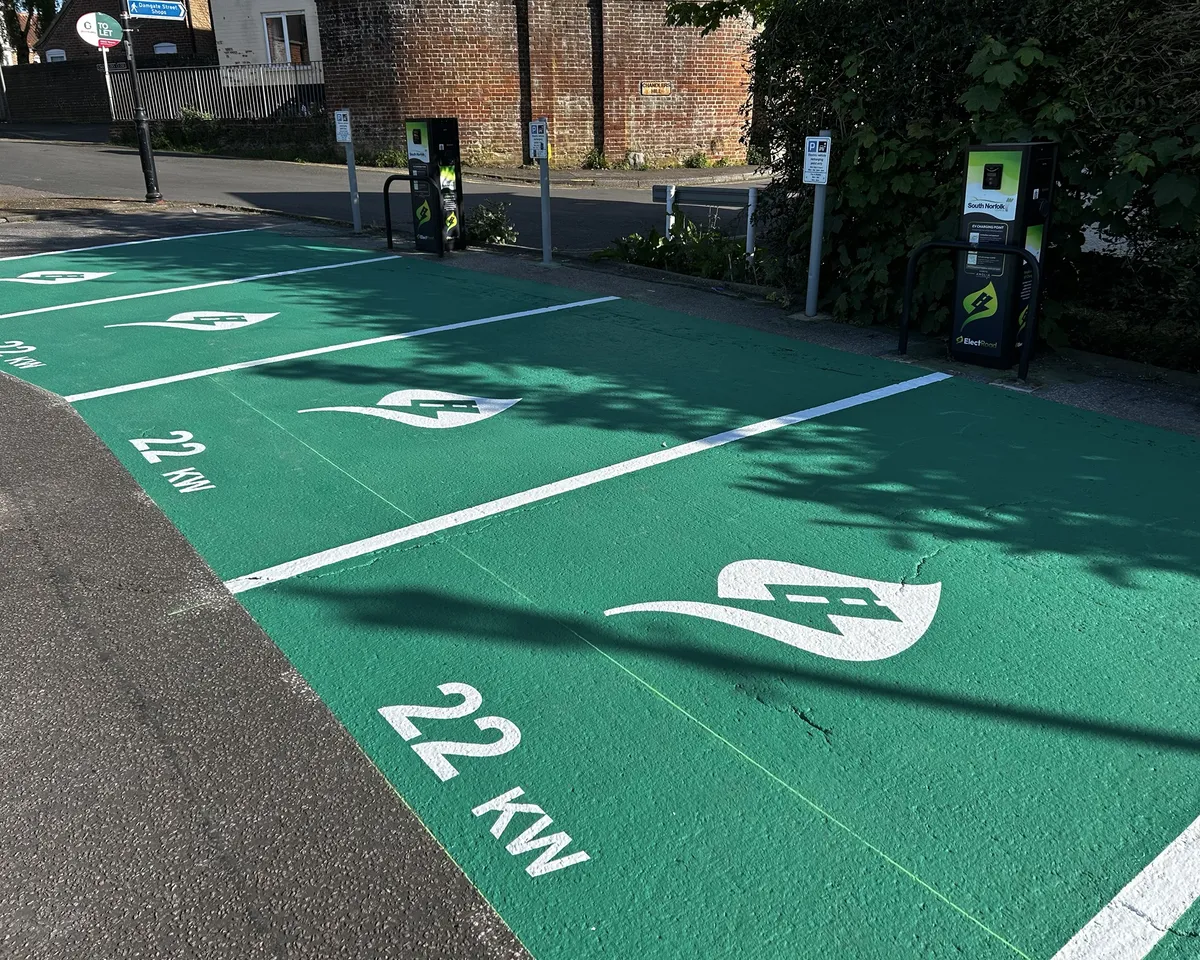
How MMA is applied
- Spray: a thinner coat for lines and bay markers, applied with a line marking machine.
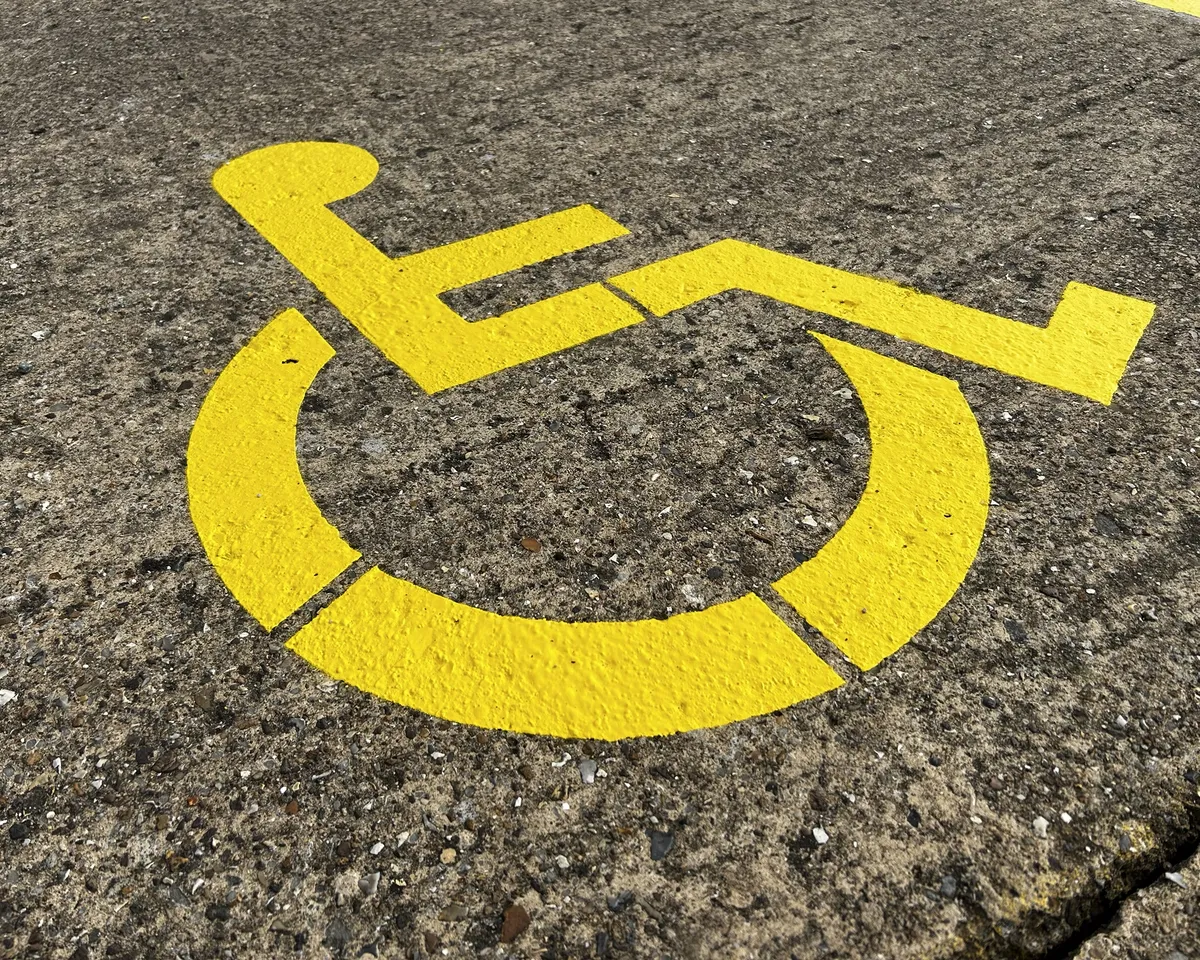
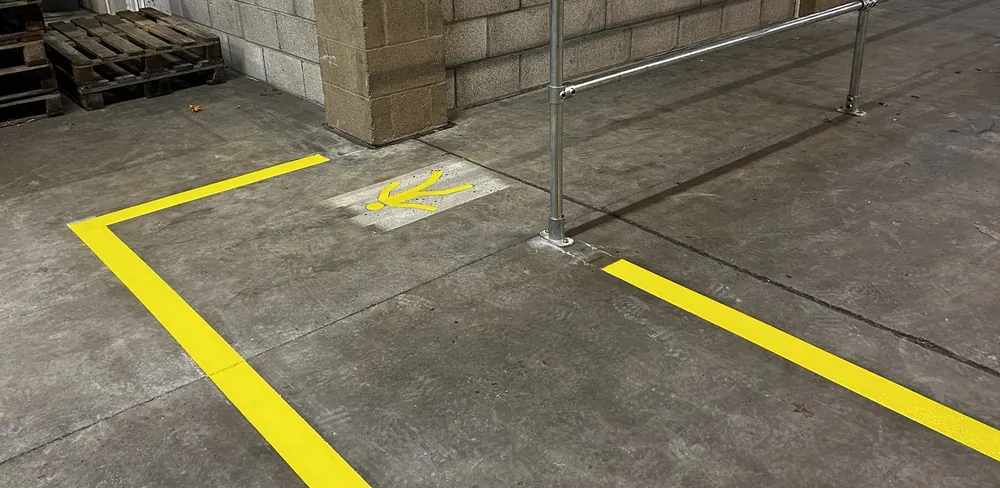
- Screed: a thicker layer laid by hand with a screed box, for solid coloured bays, hatching and symbols.
- Glass beads: can be dropped onto the wet surface so lines shine in headlights at night.
- Anti-slip aggregate: can be added for extra grip on walkways and coloured areas.
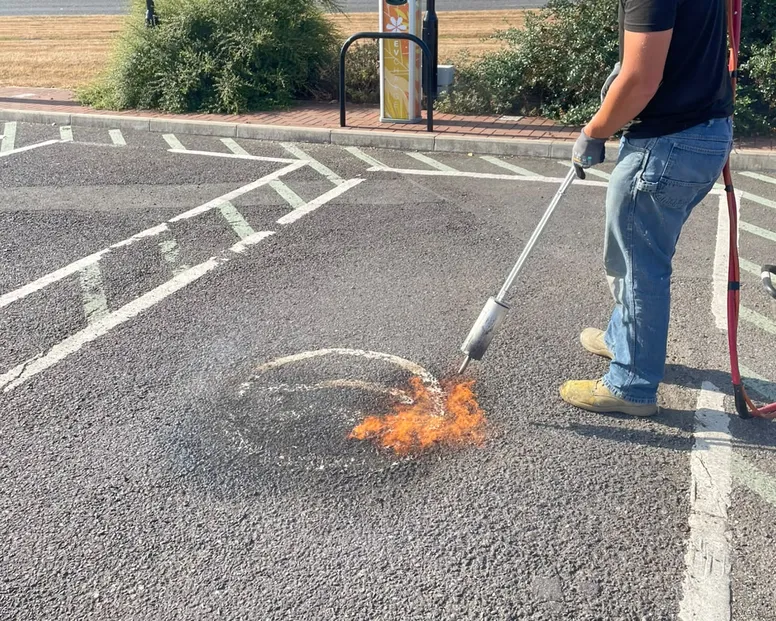
Whatever the method, it only lasts if it bonds to a clean, dry, sound surface. Old failing coatings come off first. See why surface preparation matters.
What MMA does well
- Fast curing: areas are often back in use within about 15 to 30 minutes, depending on the weather.
- Hard wearing: stands up to tyres turning on it, oil, fuel and sunlight.
- Holds its colour: greens, blues and reds stay bright, which is why it suits EV and coloured bays.
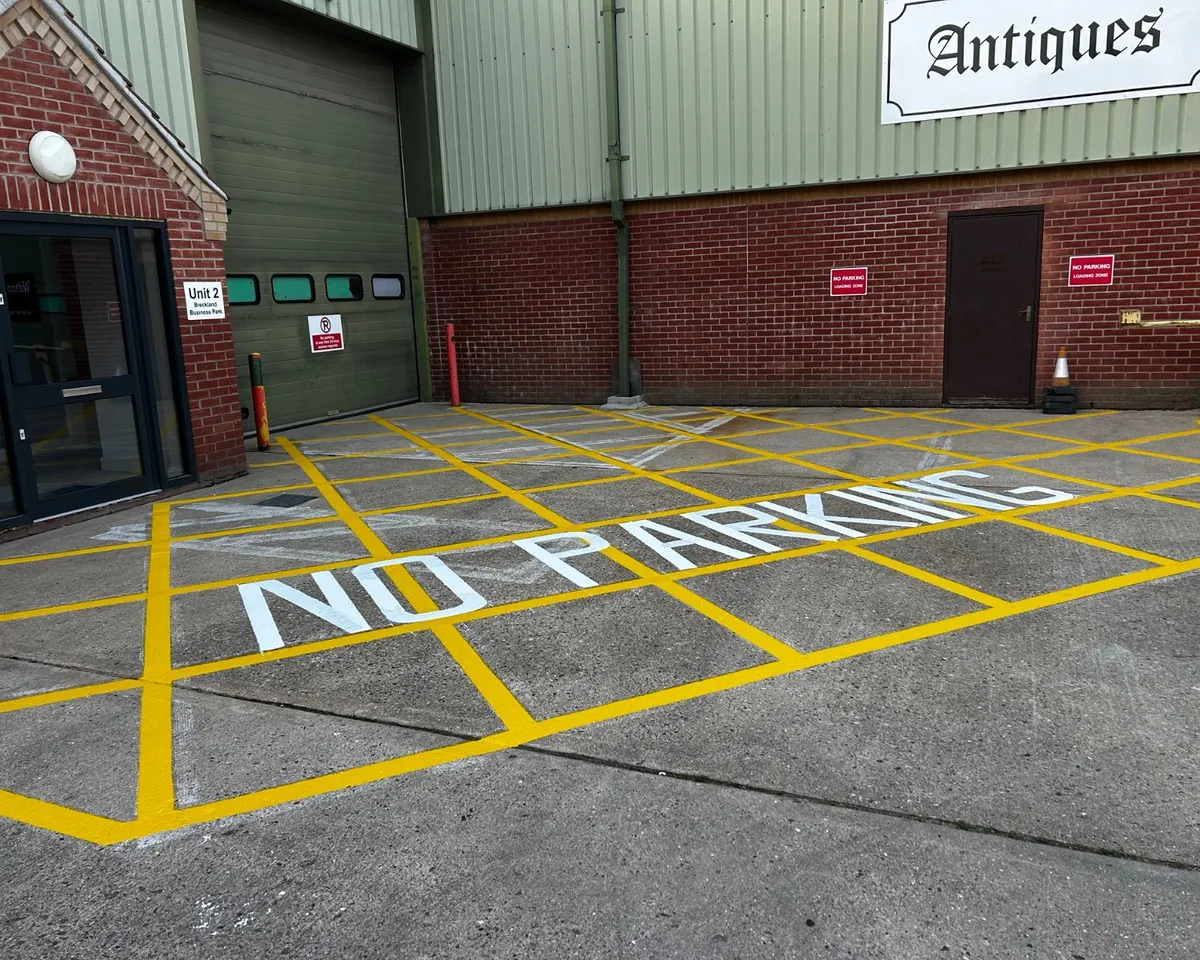
- Bonds over thermoplastic: it can go over sound existing thermoplastic lines when relining.
- Copes with cooler days: it cures by reaction rather than drying, so it's less fussy about temperature than most paints. It still needs a dry surface.
Things to know before choosing MMA
- It costs more than paint: the material is dearer and takes more time to lay. On busy sites that's usually won back by going much longer between relines.
- It has a strong smell while curing: it fades once the material has set, but it's worth knowing for sites next to open windows or air intakes.
- It's not for every surface: a crumbling surface will take any material with it, MMA included.
Where MMA is worth it, and where paint will do
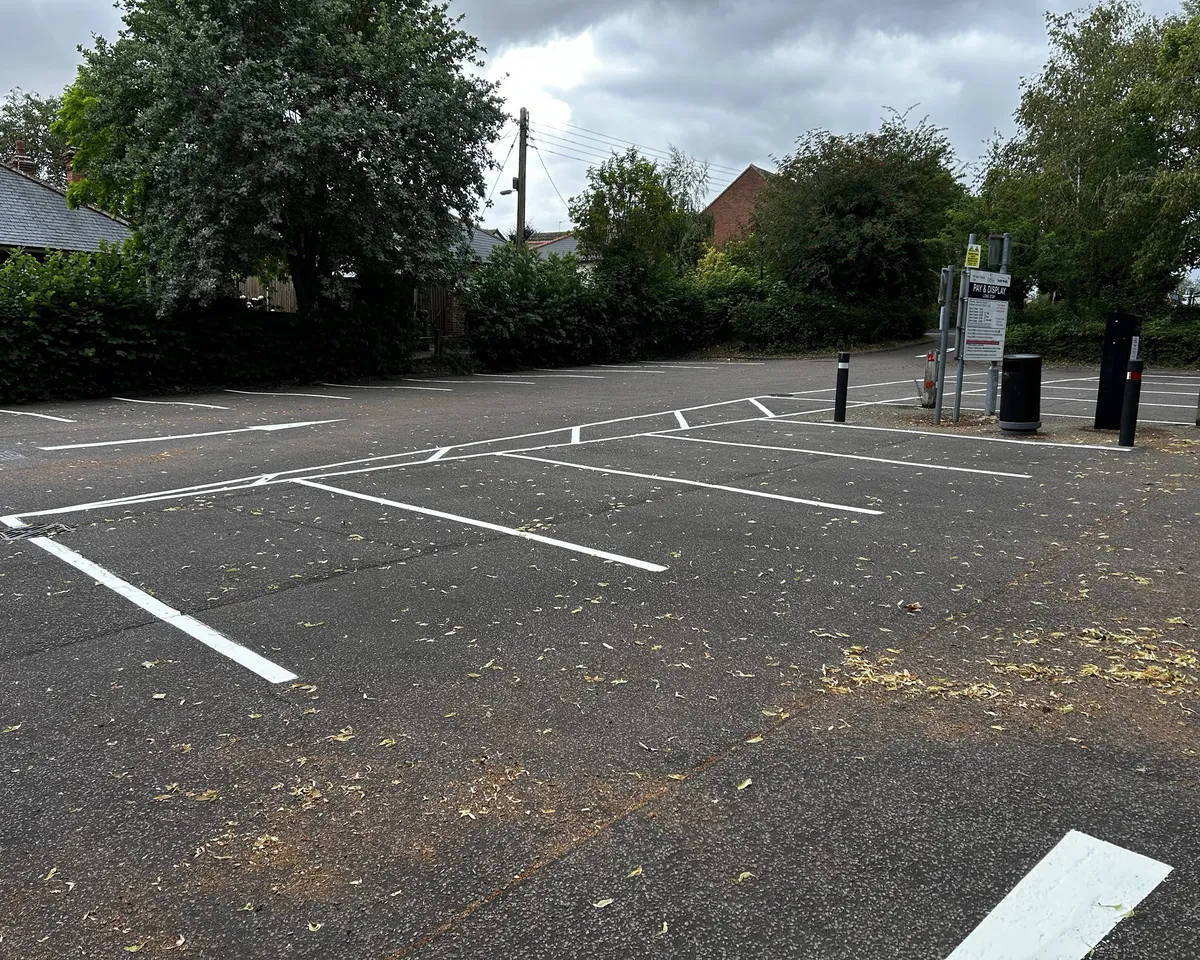
We'd recommend MMA for EV charging bays, coloured bays, entrances, turning areas, crossings and anywhere lines wear out quickly.
On a quiet car park with light traffic, a good spray paint over a well prepared surface is often all you need. We'll tell you honestly which suits your site and your budget. For the full comparison, see which line marking material to choose, or our EV bay markings service.
Wondering if MMA is right for your site?
Tell us about your site and we'll be in touch.
Prefer to chat to a member of the team?01603 905 022Frequently asked questions
How long does MMA take to cure?
Often around 15 to 30 minutes, depending on the temperature and how thick it's laid. We'll keep the area coned off until it's ready to drive on.
Is MMA the same as thermoplastic?
No. Thermoplastic is heated and laid hot, then sets as it cools. MMA is laid cold and sets by chemical reaction.
Can MMA go over old lines?
Over sound thermoplastic, yes. Old paint or coatings that are flaking need taking off first, or the MMA lifts with them.
Is MMA worth the extra cost?
On busy sites, coloured bays and EV bays, usually yes, because it lasts much longer than paint. On a quiet site, paint may be all you need.